Biography
Conway Twitty: history and sound
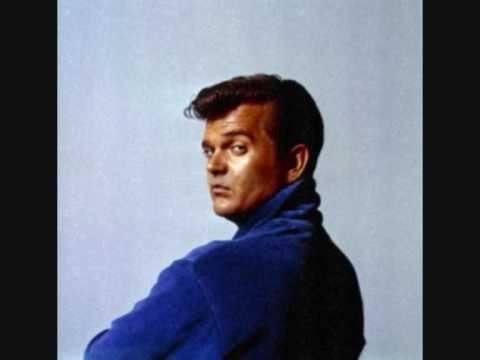
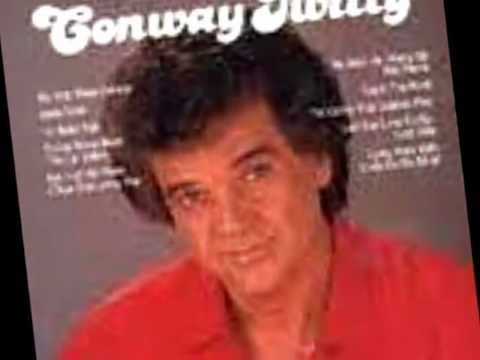
Conway Twitty (born Harold Lloyd Jenkins, September 1, 1933 – June 5, 1993), was an American country music artist.
Conway Twitty: A Musical Icon
Conway Twitty is a name that needs no introduction in the world of country music. With a career spanning over five decades, Twitty was known for his smooth vocals and ability to blend different genres of music effortlessly. In this article, we will delve deep into the musical biography of Conway Twitty, explore his best songs, discuss his music genre, and touch on his famous concerts. We will also take a critical look at his contribution to the country music industry.
Conway Twitty was born as Harold Lloyd Jenkins on September 1, 1933, in Friars Point, Mississippi. He began his musical career as a rock and roll singer under the name, Harold Jenkins. However, after struggling to gain success in the rock and roll genre, he made the switch to country music in the late 1950s. Under his new stage name, Conway Twitty, he quickly rose to fame with hit songs like It's Only Make Believe and Hello Darling.
Twitty's music genre was mainly country, but he had a knack for incorporating different genres such as rock and roll and pop into his music. He also had a keen ear for writing and recording romantic ballads, earning him the nickname The High Priest of Love. Some of his best songs in this genre include Slow Hand, I'd Love To Lay You Down, and You've Never Been This Far Before.
Twitty was known for his captivating live performances, and some of his famous concerts include his performance at the Southern Jubilee Auditorium in Edmonton, Alberta, Canada in 1985, where he performed in front of a packed crowd of over 2,700 people. Another notable concert was his performance at the Royal Albert Hall in London in October 1983. Both concerts were a testament to Twitty's popularity and ability to entertain his fans.
In terms of criticism, Conway Twitty was not immune to controversy and backlash. Some critics accused him of relying too much on romantic ballads, ignoring traditional country music themes. However, his fans argued that his music was a form of escapism from the harsh realities of life and that it resonated with a wider audience.
Conway Twitty's impact on country music cannot be ignored. He was a trailblazer who defied genre boundaries and created timeless music that continues to resonate with fans to this day. Twitty's contribution to country music earned him a place in the Country Music Hall of Fame and the hearts of millions of fans worldwide. He may be gone, but his music will always be remembered, and his legend will live on.
Conway Twitty: A Musical Icon
Conway Twitty is a name that needs no introduction in the world of country music. With a career spanning over five decades, Twitty was known for his smooth vocals and ability to blend different genres of music effortlessly. In this article, we will delve deep into the musical biography of Conway Twitty, explore his best songs, discuss his music genre, and touch on his famous concerts. We will also take a critical look at his contribution to the country music industry.
Conway Twitty was born as Harold Lloyd Jenkins on September 1, 1933, in Friars Point, Mississippi. He began his musical career as a rock and roll singer under the name, Harold Jenkins. However, after struggling to gain success in the rock and roll genre, he made the switch to country music in the late 1950s. Under his new stage name, Conway Twitty, he quickly rose to fame with hit songs like It's Only Make Believe and Hello Darling.
Twitty's music genre was mainly country, but he had a knack for incorporating different genres such as rock and roll and pop into his music. He also had a keen ear for writing and recording romantic ballads, earning him the nickname The High Priest of Love. Some of his best songs in this genre include Slow Hand, I'd Love To Lay You Down, and You've Never Been This Far Before.
Twitty was known for his captivating live performances, and some of his famous concerts include his performance at the Southern Jubilee Auditorium in Edmonton, Alberta, Canada in 1985, where he performed in front of a packed crowd of over 2,700 people. Another notable concert was his performance at the Royal Albert Hall in London in October 1983. Both concerts were a testament to Twitty's popularity and ability to entertain his fans.
In terms of criticism, Conway Twitty was not immune to controversy and backlash. Some critics accused him of relying too much on romantic ballads, ignoring traditional country music themes. However, his fans argued that his music was a form of escapism from the harsh realities of life and that it resonated with a wider audience.
Conway Twitty's impact on country music cannot be ignored. He was a trailblazer who defied genre boundaries and created timeless music that continues to resonate with fans to this day. Twitty's contribution to country music earned him a place in the Country Music Hall of Fame and the hearts of millions of fans worldwide. He may be gone, but his music will always be remembered, and his legend will live on.