
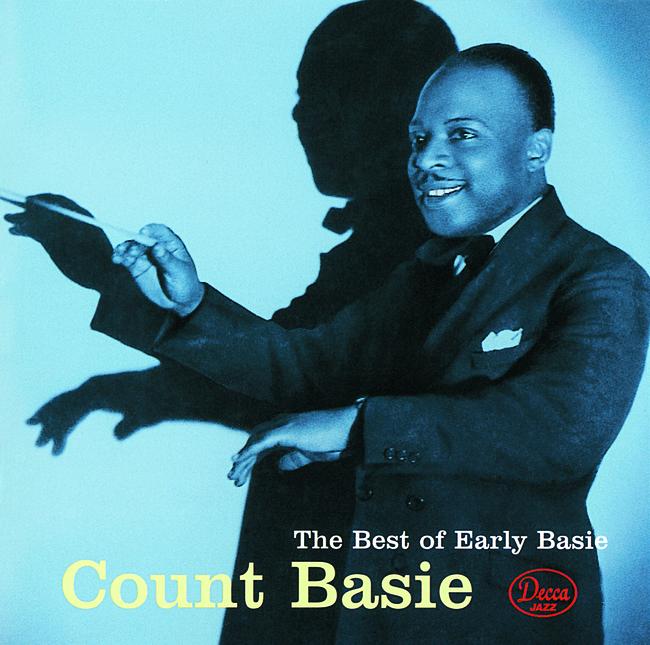
Breaking down the themes in One O'clock Jump by Count Basie
One O'clock Jump- Album Overview
Released in 1937, "One O'clock Jump" is a seminal recording by the legendary jazz pianist and bandleader Count Basie. Released under the Decca label, this album captures the essence of the Kansas City jazz scene that Basie was instrumental in popularizing. The title track, "One O'clock Jump," is a dynamic swing composition that became one of Basie's signature pieces, showcasing the vibrant energy and improvisational spirit of big band jazz. The recording features a stellar lineup of musicians, including notable figures such as tenor saxophonist Lester Young and trumpeter Buck Clayton, who contributed to the rich soundscapes that define the album. The sessions for this album were marked by a spirit of collaboration and spontaneity, characteristic of Basie's approach to music-making. The band was known for its ability to blend structured arrangements with improvisational solos, a hallmark that is evident throughout the album. The cultural significance of "One O'clock Jump" extends beyond its musicality; it played a crucial role in the development of the swing genre and helped to define the sound of jazz during the late 1930s. The album features tracks that not only entertain but also reflect the social and cultural dynamics of the era, making it a vital piece of American music history.
Review
"One O'clock Jump" is a remarkable showcase of Count Basie's artistic vision, emphasizing the importance of rhythm and groove in jazz. The sound is characterized by a rich blend of brass and woodwinds, with a driving rhythm section that propels each track forward. The album's arrangements allow for ample solo opportunities, particularly for the saxophones and trumpets, creating a vibrant dialogue between the musicians. The thematic elements of the album revolve around night life and social gatherings, as indicated by the title track. The music evokes a sense of movement and excitement, capturing the essence of a lively jazz club atmosphere. The improvisational sections reflect the spontaneity of live performances, with each musician adding their unique flair. Overall, the album is a testament to Basie's ability to create a cohesive sound while allowing individual expression, making it a benchmark for future big band recordings.
Highlights
- The infectious energy of the title track "One O'clock Jump."
- The exceptional chemistry among the band members, particularly in their improvisational exchanges.
- The ability of the album to encapsulate the spirit of the 1930s jazz scene, making it historically significant.
Weak points
- Some listeners may find the production quality dated compared to modern recordings.
- The album's focus on instrumental jazz may not appeal to those seeking vocal performances.
- Limited variety in themes, primarily centered around the nightlife motif.
Overall evaluation
"One O'clock Jump" stands as a pivotal work in the jazz canon, showcasing Count Basie's remarkable talent and the vibrant sound of his orchestra. While it may have some limitations in production and thematic diversity, the album's energy and musicality make it a timeless classic.
Personal rating: 9/10 1991Basie One More Time