
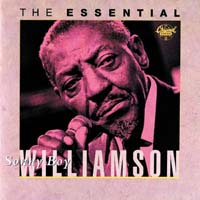
Review of Sonny Boy Williamson II – Little Boy Blue
Little Boy Blue- Album Overview
"Little Boy Blue," released in 1959, is a seminal album by the legendary blues harmonica player and vocalist Sonny Boy Williamson II, whose real name was Rice Miller. This album was recorded for the renowned Chess Records label, a pivotal label in the history of blues and rock music. The sessions took place at the famed Universal Recording Studio in Chicago, a hub for many influential blues recordings of the time. The album features a mix of Williamson's original compositions and covers, showcasing his masterful harmonica skills and poignant vocal delivery. Notable tracks include “Don’t Start Me Talkin’” and “One Way Out,” which highlight his ability to blend storytelling with emotional depth. Williamson was accompanied by a cadre of talented musicians, including guitarist and frequent collaborator, Hubert Sumlin, adding a rich texture to the overall sound. The album was produced during a time when the Chicago blues scene was blossoming, making it a significant contribution to the genre. "Little Boy Blue" is often noted for its raw emotion and authenticity, characteristics that resonated with audiences and influenced countless musicians in the years that followed. The singles from this album contributed to Williamson's legacy as a blues icon and helped solidify his role in the cultural landscape of American music during the late 1950s and beyond.
Review
The sound of "Little Boy Blue" encapsulates the essence of Chicago blues, characterized by its electric instrumentation and heartfelt delivery. Williamson's harmonica playing is nothing short of mesmerizing; he employs a variety of techniques that bring a unique voice to his instrument. His vocal style is equally compelling, filled with a mix of grit and soul that draws the listener in. The lyrics often reflect themes of love, loss, and the struggles of everyday life, which are prevalent in the blues genre. Williamson's artistic vision is evident throughout the album, as he seamlessly blends traditional blues elements with his own innovative flair. One of the standout aspects of this album is its production quality. The crisp sound captures the energy of live performances while retaining the intimate feel of a studio recording. The arrangements are well-crafted, allowing Williamson's harmonica and vocals to take center stage, complemented by the skilled musicianship of his bandmates. Overall, "Little Boy Blue" stands as a testament to Williamson's artistry and the rich tradition of blues music.
Highlights
- Masterful harmonica playing that showcases Williamson's technical prowess.
- Emotionally charged lyrics that resonate with universal themes of heartache and resilience.
- Strong production quality that captures the essence of the live blues experience.
Weak points
- Some tracks may feel repetitive to listeners unfamiliar with the blues genre.
- The album's pacing occasionally slows down, potentially losing the attention of casual listeners.
- Limited variety in instrumentation, focusing heavily on harmonica and guitar.
Overall evaluation
"Little Boy Blue" is a significant album in the blues canon, showcasing Sonny Boy Williamson II's immense talent and the emotional depth of his music. It remains a must-listen for blues aficionados and a valuable piece of American musical history.
Personal rating: 8/10