
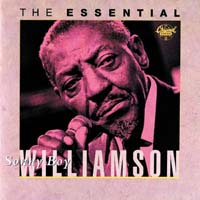
Down and Out Blues by Sonny Boy Williamson II: expectations vs reality
Down and Out Blues- Album Overview
"Down and Out Blues," released in 1961, is a seminal album by the influential blues harmonica player and singer Sonny Boy Williamson II, also known as Rice Miller. The album was produced by the legendary blues label, Chess Records, which was instrumental in bringing the sounds of Chicago blues to a wider audience. Recorded in the late 1950s, "Down and Out Blues" showcases Williamson's exceptional talent as a harmonica player and his profound lyrical depth. The album features a collection of original songs and traditional blues standards, highlighting Williamson's unique style that blends elements of Delta blues with the urban sophistication of Chicago.
The sessions involved notable musicians such as guitarist Willie Lee "The Devil" Johnson and drummer Fred Below, both of whom contributed to the album's rich sound. The album includes tracks like “Don’t Start Me Talkin’,” which became one of Williamson's signature songs, and “Help Me,” both of which demonstrate his ability to convey deep emotional resonance through his music.
Upon its release, "Down and Out Blues" received critical acclaim and has since been considered a classic in the blues genre. It has influenced countless musicians, from rock artists to contemporary blues players, embedding Williamson’s legacy within the fabric of American music. The album remains a testament to Williamson's artistry, showcasing his ability to tell stories of hardship and resilience, and solidifying his place in the pantheon of blues greats.
Review
The sound of "Down and Out Blues" is emblematic of the early 1960s blues scene, characterized by gritty harmonica riffs, soulful vocals, and a blend of acoustic and electric instrumentation. Williamson's harmonica playing is both virtuosic and expressive, providing a haunting backdrop to his poignant lyrics that often reflect themes of despair, love, and loss. The production quality, typical of Chess Records, allows the raw emotionality of Williamson's performances to shine through, making each track feel intimate and authentic.
Lyrically, Williamson’s songs resonate with the struggles of everyday life, often reflecting his own experiences. The storytelling is visceral, drawing listeners into a world that feels both personal and universally relatable. His artistic vision transcends mere entertainment; it serves as a cultural commentary on the African American experience in the post-war United States, making "Down and Out Blues" not just an album but a significant cultural artifact.
Highlights
- Exceptional harmonica playing that showcases Williamson's technical skill and emotional depth.
- Powerful storytelling that resonates with listeners, blending personal experiences with universal themes.
- Production quality that captures the raw essence of blues, characteristic of Chess Records.
Weak points
- Some tracks may feel repetitive in theme and structure, which could disengage casual listeners.
- The album's pacing varies, leading to moments that may drag for listeners unfamiliar with the genre.
- Limited appeal outside of dedicated blues enthusiasts, potentially overshadowed by more mainstream artists.
Overall evaluation
"Down and Out Blues" stands as a cornerstone of the blues genre, highlighting Sonny Boy Williamson II's remarkable talent and enduring influence. While it may not cater to every listener's taste, its emotional depth and historical significance make it a must-listen for anyone interested in the roots of American music.
Personal rating: 8/10