ALBUM NOTESA closer look at Led Zeppelin-Led Zeppelin IV's album Led Zeppelin IV
Album overview
Released on November 8, 1971, "Led Zeppelin IV," officially untitled, is the fourth studio album by the British rock band Led Zeppelin. The album was produced by the band itself, alongside engineer Andy Johns, and was recorded at various studios including Island Studios in London and the Headley Grange mansion in Hampshire. Known for its fusion of rock, folk, and blues, the album features eight tracks that showcase the band's diverse musical influences and range. Among the standout tracks are "Black Dog," "Rock and Roll," and the iconic "Stairway to Heaven," which has become one of the most famous rock songs of all time. The album was released under Atlantic Records and quickly gained commercial success, reaching number one on the Billboard 200 chart and remaining there for five weeks. Its cover art, featuring an enigmatic image of a rustic house, has become iconic in its own right. "Led Zeppelin IV" is often credited with shaping the sound of hard rock and heavy metal, influencing countless artists and solidifying Led Zeppelin's place in music history. The album's themes explore mythology, mysticism, and the human condition, which resonated deeply with the counterculture of the early 1970s.
Review
"Led Zeppelin IV" is a masterful blend of musical experimentation and lyrical depth, showcasing Led Zeppelin's artistic vision in full bloom. The album's sound is an eclectic mix of hard rock, acoustic folk elements, and blues influences, demonstrating the band's versatility. The seamless transitions between heavy guitar riffs and delicate acoustic passages highlight Jimmy Page's innovative guitar work and Robert Plant's mesmerizing vocals. Lyrically, the album delves into themes of spirituality and the human experience, particularly evident in "Stairway to Heaven," which has been analyzed and interpreted in myriad ways over the decades. The impressive musicianship of John Bonham on drums and John Paul Jones on bass and keyboards further enhances the album's rich texture. However, it is the seamless flow of tracks that elevates this album, making it not just a collection of songs but a cohesive musical journey.
Highlights
- The iconic track "Stairway to Heaven" remains a defining moment in rock history.
- Innovative production techniques and musicianship set a new standard for rock albums.
- The seamless blend of genres showcases Led Zeppelin's versatility and creativity.
Weak points
- The album's length may challenge listeners accustomed to shorter, more concise tracks.
- Some may find certain tracks, like "The Battle of Evermore," less accessible than others.
- The lack of a formal title can create confusion about its identity in the band's discography.
Overall evaluation
"Led Zeppelin IV" is not just an album, it's a landmark in rock music that continues to resonate with listeners around the world. Its combination of technical prowess, lyrical depth, and timeless appeal ensures its place in the pantheon of great music.
Personal rating: 10/10
```


 1982Coda
 1979In Through the Out Door
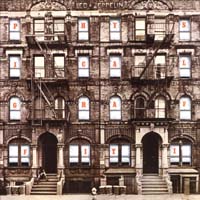 1975Physical Graffiti
 1973Houses of the Holy
 1969Led Zeppelin II