ALBUM NOTESInside Led Zeppelin III by Led Zeppelin-Led Zeppelin III
Album overview
Released on October 5, 1970, "Led Zeppelin III" is the third studio album by the iconic British rock band Led Zeppelin. The album was produced by the band themselves and released under the Atlantic Records label. Recorded primarily at Headley Grange, a former working farmhouse in Hampshire, England, the album showcases a shift in the band's musical style, incorporating elements of folk, acoustic, and blues into their hard rock foundation. This evolution was partly influenced by Robert Plant and Jimmy Page’s experiences in the Welsh countryside, where they sought a more organic and pastoral sound.
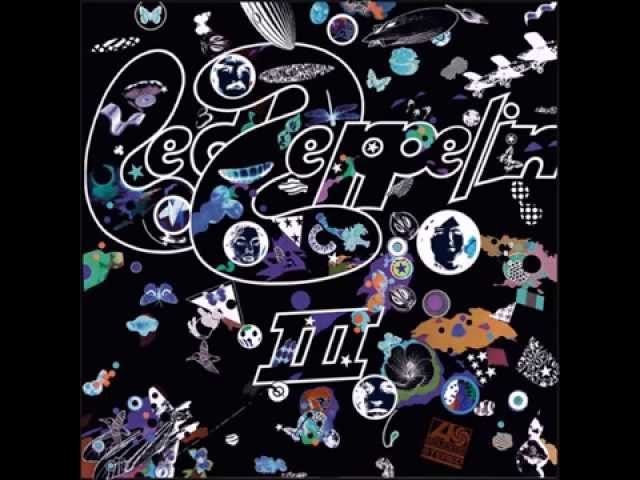
The album features notable tracks such as "Immigrant Song," which was released as the lead single and became a staple of rock radio, alongside "Gallows Pole" and "That's the Way." The artwork, designed by artist Zacron, features a unique wheel mechanism that allows the cover to reveal different images, further emphasizing the band's experimental approach.
"Led Zeppelin III" is often regarded as a significant cultural artifact, marking a transition in the early 1970s rock scene. Its blend of acoustic elements and heavy rock laid the groundwork for future genres, influencing countless artists and bands. The album was well-received commercially and critically, achieving multi-platinum status and solidifying Led Zeppelin's place in rock history.
Review
"Led Zeppelin III" is a bold artistic statement that defies the conventional hard rock formula the band established in their earlier works. The opening track, "Immigrant Song," bursts forth with its iconic riff and Viking imagery, setting a high-energy tone that contrasts sharply with the more introspective and acoustic-driven songs that follow. Tracks like "Tangerine" and "That's the Way" showcase the band’s dexterity, blending poignant lyrics with delicate guitar work.
The lyrical themes often delve into mythology, love, and longing, told through Plant's evocative storytelling. Jimmy Page's guitar work is both subtle and explosive, seamlessly transitioning between gentle melodies and hard-hitting riffs. The album’s production captures a raw, live feel, allowing the listener to experience the organic chemistry of the band.
Ultimately, "Led Zeppelin III" exemplifies the band's willingness to experiment and evolve, pushing the boundaries of rock music at the time. It is a testament to their artistry, celebrating both their roots and their innovative spirit.
Highlights
- The successful blend of acoustic and hard rock elements.
- Memorable and impactful tracks, particularly "Immigrant Song."
- The innovative album cover design that reflects the music's creativity.
Weak points
- The shift in musical style may alienate some hard rock purists.
- Some tracks may feel less cohesive compared to earlier albums.
- The acoustic focus may not resonate as strongly with fans of their heavier sound.
Overall evaluation
"Led Zeppelin III" stands as a pivotal work in the band's discography, showcasing their versatility and willingness to explore new musical landscapes. It is a landmark album that has left a lasting impact on rock music and continues to resonate with listeners today.
Personal rating: 9/10
```

 1982Coda
 1979In Through the Out Door
 1975Physical Graffiti
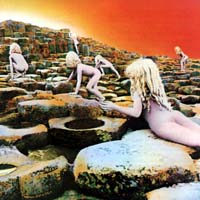 1973Houses of the Holy
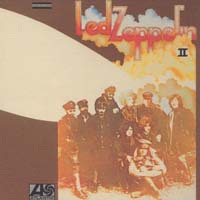 1969Led Zeppelin II