ALBUM NOTESListening to Houses of the Holy by Led Zeppelin-Houses of the Holy
Album overview
Released on March 28, 1973, "Houses of the Holy" is the fifth studio album by British rock band Led Zeppelin. The album was produced by Jimmy Page and released under the Atlantic Records label. It marked a significant evolution in the band's sound, showcasing a diverse range of musical styles that included hard rock, funk, reggae, and progressive rock. The recording sessions took place at several locations, including the Rolling Stones Mobile Studio and Island Studios in London.
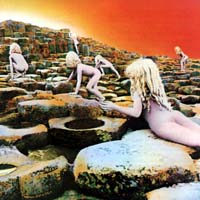
"Houses of the Holy" features iconic tracks such as "The Song Remains the Same," "Over the Hills and Far Away," and "D'yer Mak'er." The album was notable for its innovative use of technology in production, with Page utilizing multi-track recording techniques to layer sounds and create a richer listening experience. The cover art, created by illustrator Aubrey Powell of Hipgnosis, features a striking image of children climbing the Giant's Causeway in Northern Ireland, which further enhanced the album's artistic value.
Upon its release, "Houses of the Holy" was a commercial success, reaching No. 1 on the Billboard 200 chart in the United States and achieving multi-platinum status. The album's singles, particularly "The Ocean" and "D'yer Mak'er," received considerable radio play, further solidifying Led Zeppelin's status as a leading force in rock music. The album's blend of genres and experimentation with sound has left a lasting impact on music, influencing countless artists across various genres and helping to define the sound of the 1970s rock scene.
Review
"Houses of the Holy" is a testament to Led Zeppelin's refusal to be pigeonholed into a single genre. The opening track, "The Song Remains the Same," sets the tone with its dynamic blend of hard rock and folk elements, showcasing Robert Plant's soaring vocals and Jimmy Page's intricate guitar work. The album continues to surprise with "The Crunge," a funky, rhythm-driven track that showcases the band's versatility and willingness to experiment.
Lyrically, the album traverses themes of love, adventure, and the metaphysical, often delivered through Plant's enigmatic and poetic style. Songs like "Over the Hills and Far Away" exemplify this, weaving narratives that resonate with listeners on a personal level. The production quality is notably polished, with Page's meticulous attention to detail evident in every track.
However, the album is not without its divisive moments. The reggae-inspired "D'yer Mak'er" has drawn mixed reactions, some praising its boldness while others criticize it for straying too far from the band's rock roots. Overall, "Houses of the Holy" remains a pivotal work in Led Zeppelin's discography, demonstrating their artistic growth and mastery of musical fusion.
Highlights
- Innovative blend of genres, from rock to reggae and funk
- Strong lyrical content that resonates with listeners
- Exceptional production quality and musicianship
Weak points
- Some tracks may alienate traditional hard rock fans
- Occasional unevenness in song flow
- The experimental nature may not appeal to all listeners
Overall evaluation
"Houses of the Holy" is a landmark album that showcases Led Zeppelin's ability to innovate and evolve. It stands as a defining moment in rock history, balancing commercial appeal with artistic integrity.
Personal rating: 9/10
```

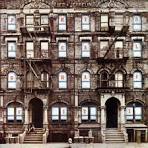 1982Coda
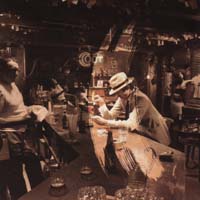 1979In Through the Out Door
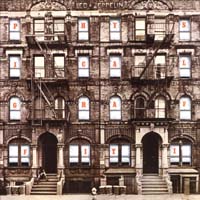 1975Physical Graffiti
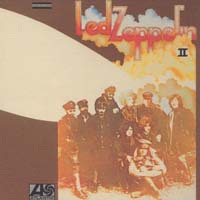 1969Led Zeppelin II