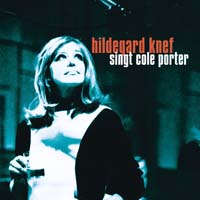
ALBUM NOTESHildegard Knef – Lausige Zeiten: a sonic journey
Lausige Zeiten- Album Overview
Hildegard Knef's "Lausige Zeiten," released in 1975, is a striking exploration of the intersection between music and spoken word, showcasing Knef's unique artistry that blends chanson, jazz, and elements of cabaret. This album was released under the label Philips Records and is notable for its introspective nature and poignant lyrical content. The recording took place in various studios across Germany, featuring Knef's evocative vocals accompanied by a range of talented musicians, including renowned jazz pianist and composer Horst Jankowski.
"Lausige Zeiten" translates to "Dismal Times," aptly reflecting the socio-political climate of the 1970s in West Germany, a time marked by economic struggles and cultural shifts. The album's tracks delve into themes of melancholy, love, and existential reflection, offering listeners a window into Knef's personal experiences and observations. Singles such as "Ich bin von Kopf bis Fuß auf Liebe eingestellt" resonate with emotional depth, while others like "Das kann doch einen Seemann nicht erschüttern" showcase her ability to blend humor with serious undertones.
Knef's artistic vision in this album is significant, as she was among the first female artists in Germany to fuse traditional song structures with modern themes and existential musings. The album's production quality reflects the era's evolving sound, making it a crucial piece in the landscape of German music history.
Review
"Lausige Zeiten" stands out for its sophisticated sound palette and Knef's nuanced vocal delivery. The arrangements are richly textured, incorporating jazz influences that complement her expressive singing style. Lyrically, Knef navigates through introspective narratives that resonate with a sense of longing and wistfulness. The contrast between the upbeat musicality and the somber lyrical themes creates a compelling dichotomy that invites repeated listens. Knef's artistic vision is further enhanced by her ability to convey complex emotions through her voice, making every track a personal journey.
While Knef's delivery is often captivating, some listeners may find the pacing of the album to be uneven at times, as it oscillates between contemplative ballads and more lively numbers. Nonetheless, the overall experience is one of profound reflection, making "Lausige Zeiten" a noteworthy contribution to her discography.
Highlights
- The emotional depth of Knef's lyrical content.
- The seamless blending of jazz and chanson elements.
- Knef's distinctive vocal style that captures the listener's attention.
Weak points
- Some tracks may feel slow-paced for listeners seeking more upbeat tempos.
- The album's introspective nature may not appeal to all audiences.
- Limited commercial success compared to her earlier works may overshadow its artistic merit.
Overall evaluation
"Lausige Zeiten" is an evocative journey through the mind of Hildegard Knef, showcasing her ability to merge music and poignant storytelling. Its significance in the context of 1970s Germany adds depth to her already rich legacy.
Personal rating: 8/10