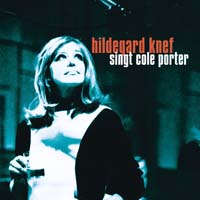
ALBUM NOTESThe evolution of Hildegard Knef-Hildegard Knef - Die Seeräuber-Jenny in Hildegard Knef - Die Seeräuber-Jenny
Album overview
Hildegard Knef's album "Die Seeräuber-Jenny" was released in 1961 by the German label Electrola. This work stands as a significant piece in Knef's discography, showcasing her unique blend of chanson and German cabaret music. The album features a collection of songs, including the titular track "Die Seeräuber-Jenny," which is a reinterpretation of "Pirate Jenny" from Kurt Weill's "The Threepenny Opera." Knef's interpretation is notable for its haunting vocal delivery and emotional depth. The recording took place in West Germany, where Knef was already a celebrated figure, known for her acting and singing career. Collaborating with notable composers and lyricists, Knef managed to infuse her personal experiences into the songs, creating a narrative that resonates with listeners. The album's production is characterized by a minimalist arrangement, allowing Knef's voice to take center stage. The cultural significance of this album lies not only in its musical quality but also in Knef's role as a cultural icon, reflecting the zeitgeist of post-war Germany through her art. Singles from the album received moderate success, further cementing her legacy as a pioneering female voice in the German music scene.
Review
Hildegard Knef's "Die Seeräuber-Jenny" serves as a powerful testament to her artistic vision and vocal prowess. The album opens with a dramatic rendition of "Die Seeräuber-Jenny," where Knef's deep, resonant voice captures the essence of the character's yearning for freedom and adventure. The arrangement is sparse yet effective, allowing for an intimate connection with the listener. Knef's lyrics are imbued with a sense of nostalgia and longing, drawing parallels between the struggles of the individual and the societal context of the time. The emotional weight of her performance is palpable, as she navigates themes of love, loss, and liberation. Overall, the sound is both haunting and melodic, showcasing Knef's ability to evoke a range of emotions. Her artistic vision shines through, as she successfully marries traditional German musical forms with contemporary influences of the 1960s.
Highlights
- Powerful vocal performances that convey deep emotion.
- Rich storytelling through lyrics that resonate with personal and societal themes.
- Innovative interpretations of classic songs that showcase Knef’s unique style.
Weak points
- Some tracks may feel too minimalist for listeners seeking more instrumentation.
- Occasional pacing issues throughout the album can affect overall flow.
- Limited commercial appeal outside of German-speaking audiences.
Overall evaluation
Hildegard Knef's "Die Seeräuber-Jenny" is a significant work that highlights her vocal and artistic talents while reflecting the cultural landscape of its time. Though it may not appeal to all listeners due to its minimalist approach, the emotional depth and lyrical richness make it a noteworthy addition to the canon of German music.
Personal rating: 8/10
```