
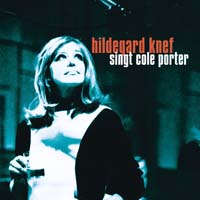
Die Geliebte Stimme: what Hildegard Knef wants you to feel
Die Geliebte Stimme- Album Overview
"Die Geliebte Stimme," released in 1961, marks one of the defining moments in Hildegard Knef's illustrious career as a German singer, actress, and songwriter. Released under the label Polydor, this album showcases Knef's unique blend of chanson, pop, and jazz influences that captivated audiences across Europe. The album features a selection of tracks that highlight her smoky voice and poignant lyrical delivery, rooted in her own life experiences. Notable tracks include "Für mich soll's rote Rosen regnen" and "Ich bin von Kopf bis Fuß auf Liebe eingestellt," which remain iconic in the German music repertoire.
Recorded during a time when Knef was transitioning from her early film career into a music-focused phase, "Die Geliebte Stimme" also reflects post-war Germany's cultural landscape. Collaborating with prominent musicians and arrangers of the era, the production carries a sophisticated orchestral backing that complements Knef's vocal prowess. The album's singles received ample radio play, establishing Knef as a significant figure in the German music scene. Its enduring appeal lies in its ability to evoke deep feelings of nostalgia and longing, resonating with listeners across generations. The emotional depth and authenticity in her performances have solidified Knef's legacy as a powerful voice in both music and film.
Review
The sound of "Die Geliebte Stimme" is an enchanting fusion of rich orchestration and Knef's deep, expressive vocals. Each track unfolds like a narrative, drawing listeners into a world of romance, heartache, and introspection. Knef's ability to convey complex emotions through her singing is unparalleled; her voice can shift from sultry to sorrowful with remarkable ease. Lyrically, the album navigates themes of love and loss, reflecting Knef's own tumultuous experiences. The artistic vision behind the album is clear: Knef aims to connect with her audience on an emotional level, using music as a vehicle for storytelling. Musically, the arrangements are lush and sophisticated, featuring strings and brass that enhance the dramatic quality of her performances. Overall, this album is a testament to Knef's artistry and her significant role in shaping the musical landscape of her time.
Highlights
- Exceptional vocal performance that showcases emotional depth.
- Rich orchestral arrangements that complement Knef's style.
- Timeless lyrical themes that resonate across generations.
Weak points
- Some tracks may feel dated to contemporary listeners.
- The production style may not appeal to fans of modern pop music.
- Lack of variety in musical style across the album's tracks.
Overall evaluation
In "Die Geliebte Stimme," Hildegard Knef delivers a compelling auditory experience that captures the essence of her artistic journey. The album is a rich tapestry of emotion and melody, showcasing her unique talent as a vocalist and storyteller. It stands as a significant work in the context of German music history.
Personal rating: 8/10