
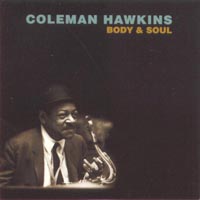
Coleman Hawkins – Hawk's Groove: track-by-track perspective
Hawk's Groove- Album Overview
"Hawk's Groove," released in 1962, showcases the legendary tenor saxophonist Coleman Hawkins at a time when the jazz landscape was rapidly evolving. Released under the Prestige Records label, this album captures Hawkins' unique blend of traditional jazz with emerging styles that characterized the early 1960s. The album was recorded in a session that took place in New York City, featuring a lineup of talented musicians including pianist Tommy Flanagan, bassist Ed Jones, and drummer Elvin Jones, who is best known for his work with the John Coltrane Quartet.
Hawkins, often referred to as "The Father of the Tenor Saxophone," was instrumental in shaping the sound of jazz throughout the 20th century. "Hawk's Groove" is significant not just for its musicality but also for its cultural context; it represents a bridge between the swing era and the burgeoning avant-garde movements. The album features a mix of original compositions and standards, allowing Hawkins to showcase both his improvisational prowess and his deep understanding of jazz tradition.
Among the standout tracks are "The Man I Love" and "Hawk's Groove," the latter serving as the title track which encapsulates Hawkins' signature melodic lines and rhythmic complexity. While "Hawk's Groove" did not produce any major singles, it remains a beloved piece in Hawkins' discography, illustrating his ability to adapt and innovate while remaining true to the core elements of jazz. The production quality, typical of the Prestige label, offers a raw yet polished sound that further enhances the listening experience.
Review
The album opens with a confident stride, as Hawkins’ saxophone weaves through melodies effortlessly. The interplay between the musicians is palpable, with each member contributing to a cohesive sound that feels both spontaneous and meticulously crafted. Hawkins' signature growl and rich tone are prominent throughout the album, highlighting his mastery of the saxophone. The subtle complexity of the arrangements allows for moments of introspection while also inviting listeners to immerse themselves in the vibrant energy of the performances.
While Hawkins' improvisational style stands out, the album also reflects a broader trend in jazz of the time, where blues and bebop elements intermingle seamlessly. The production emphasizes the warmth of the saxophone, allowing Hawkins' emotional depth to resonate with listeners. Each track unfolds like a story, filled with nuances that reward repeated listens. The artistic vision behind "Hawk's Groove" is one of evolution and reflection, showcasing Hawkins as both a pioneer and a custodian of jazz traditions.
Highlights
- Hawkins' masterful saxophone playing that blends technical skill with emotional depth.
- The dynamic synergy between the musicians, creating a rich and engaging soundscape.
- A well-curated selection of tracks that balance innovation with respect for jazz heritage.
Weak points
- Some tracks may feel less impactful compared to Hawkins' more celebrated works.
- The album's production, while warm, might lack the high fidelity of contemporary recordings.
- Limited mainstream recognition, which may lead to it being overlooked by casual jazz listeners.
Overall evaluation
"Hawk's Groove" is a testament to Coleman Hawkins' enduring legacy in jazz. While it may not have the commercial appeal of some of his earlier works, it captures a moment of artistic exploration and showcases the saxophonist's unique voice. This album serves as both an introduction to Hawkins for new listeners and a nostalgic journey for long-time fans.
Personal rating: 8/10 1991Soul