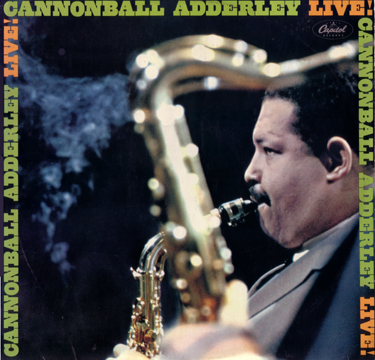
ALBUM NOTESA closer look at Cannonball Adderley's album Cannonball’s Bossa Nova
Cannonball’s Bossa Nova- Album Overview
Cannonball Adderley's "Cannonball's Bossa Nova," released in 1962, is a significant entry in the jazz genre, showcasing Adderley's innovative approach to fusing jazz with Brazilian musical influences. This album was recorded for the Riverside Records label and features a collaboration with an impressive lineup of musicians, including the renowned Brazilian guitarist and composer, Luiz Bonfá, and the pianist, Joe Zawinul. The album comprises seven tracks, many of which are characterized by their rhythmic bossa nova beats, which were gaining popularity in the United States during the early 1960s.
The recording sessions took place in New York City, where Adderley and his ensemble explored the vibrant sounds of bossa nova, a genre that blends samba rhythms with jazz harmonies. The album includes notable tracks such as "Samba de Orfeu" and "One Note Samba," which exemplify the smooth, laid-back grooves that are typical of bossa nova music. Cannonball’s Bossa Nova not only highlights Adderley's virtuosic alto saxophone but also reflects the cultural exchange between American jazz and Brazilian music during this era.
The album received critical acclaim for its refreshing sound and approach, contributing to the broader acceptance of bossa nova in the jazz community. Adderley's interpretations of these Brazilian classics helped to introduce the genre to a wider audience, cementing his status as a pivotal figure in the evolution of jazz music. The album stands as a testament to Adderley's artistic vision and his ability to transcend musical boundaries.
Review
Cannonball Adderley's "Cannonball's Bossa Nova" is a captivating blend of jazz and Brazilian influences that showcases the alto saxophonist's exceptional talent. The album presents a collection of tracks that masterfully meld the intricate rhythms of bossa nova with the improvisational elements of jazz. Adderley’s fluid saxophone lines effortlessly glide over the lush arrangements, creating a sound that is both engaging and soothing.
The production quality is excellent, allowing each instrument to shine while maintaining a cohesive sound. The collaboration with musicians like Luiz Bonfá adds an authentic Brazilian flavor that enhances the overall listening experience. The album lacks traditional lyrics, as the focus is more on melodic improvisation and rhythm, but this absence does not detract from its emotional depth. The artistic vision behind "Cannonball's Bossa Nova" reflects a moment in musical history where cultural boundaries were being blurred, and Adderley was at the forefront of this movement.
Highlights
- Seamless fusion of jazz and bossa nova elements.
- Exceptional performances from Adderley and his ensemble.
- Culturally significant in popularizing bossa nova in jazz circles.
Weak points
- Lack of lyrical content may not appeal to all listeners.
- Some tracks may feel repetitive in structure.
- Limited commercial singles compared to other jazz albums of the era.
Overall evaluation
Cannonball Adderley's "Cannonball's Bossa Nova" is a noteworthy contribution to both the jazz and bossa nova genres, showcasing the artist's ability to innovate while respecting cultural roots. The album's rich sound and exceptional musicianship make it a must-listen for jazz enthusiasts and newcomers alike.
Personal rating: 8/10