
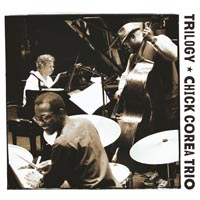
Chick Corea – What Game Shall We Play Today: track-by-track perspective
What Game Shall We Play Today- Album Overview
Released in 1982, "What Game Shall We Play Today" is a remarkable album by acclaimed jazz pianist Chick Corea, showcasing his multifaceted approach to jazz and fusion. This album was produced under the ECM Records label, known for its high-quality sound and innovative artists. Corea collaborated with an impressive lineup, featuring renowned musicians such as Eddie Gomez on bass, and the talented drummer Steve Gadd, both of whom contributed to the album's dynamic sound. The recording took place at the legendary Rainbow Studio in Oslo, Norway, where ECM's signature production style helped to capture the nuanced interplay of these talented musicians.
The album consists of a series of intricate compositions that oscillate between playful melodies and profound improvisational passages. Corea's ability to blend traditional jazz elements with contemporary influences is particularly evident in tracks like "My Spanish Heart," which explores Latin rhythms and harmonies. The album's title track acts as a thematic centerpiece, inviting listeners to engage with the music in a playful yet introspective manner. This was released during a period when jazz was evolving rapidly, and Corea's work contributed significantly to the genre's expansion beyond conventional boundaries. The album did not produce any mainstream singles but has gained critical acclaim over the years for its artistic vision and innovative approach to jazz.
Review
In "What Game Shall We Play Today," Chick Corea presents a vibrant tapestry of sound that encapsulates his artistic vision and technical prowess. The album opens with a sense of whimsy, immediately drawing listeners into Corea's world through playful melodies and intricate harmonies. His piano work is both virtuosic and accessible, showcasing a talent for bridging complex jazz structures with a more approachable sound. The interplay between Corea and his collaborators creates an engaging dialogue that is both spontaneous and meticulously crafted.
Corea's compositions reflect a deep understanding of jazz's roots while also pushing its boundaries. The arrangements are rich with influences from classical music, Latin jazz, and even elements of rock. Each track feels like a conversation, with Corea leading the way but allowing space for his bandmates to shine. Overall, the album embodies a spirit of exploration and invites listeners to participate in the musical journey, making it a significant contribution to the genre.
Highlights
- Intricate compositions that balance complexity with accessibility.
- Exceptional musicianship from Corea and his ensemble, particularly the rhythmic interplay with Steve Gadd.
- A playful and inviting thematic approach that encourages listener engagement.
Weak points
- Some listeners may find the lack of mainstream singles a barrier to entry.
- Certain tracks may feel overly complex for casual jazz fans.
- Limited promotion and visibility compared to Corea's more famous works could overshadow its significance.
Overall evaluation
"What Game Shall We Play Today" stands as a testament to Chick Corea's genius and his ability to craft innovative jazz that resonates with both experts and casual listeners. The album invites exploration and appreciation of the genre's depth, making it a noteworthy addition to any jazz collection.
Personal rating: 8.5/10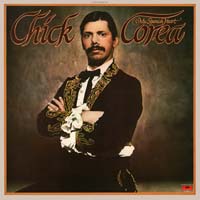 1976My Spanish Heart
 1972Return to Forever