
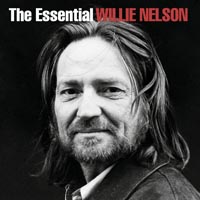
A closer look at Willie Nelson's album Walking The Line
Walking The Line- Album Overview
"Walking The Line," released in 1970, is a notable album by country music legend Willie Nelson. This album marked a significant moment in Nelson's career as it was one of the first under the RCA Records label, showcasing his unique blend of traditional country and emerging outlaw sounds. The recording sessions took place in various studios, with notable contributions from seasoned musicians, including the likes of drummer Paul English and bass player Bee Spears, who would become staples in Nelson's band.
The album features a mix of original songs and covers, revealing Nelson's songwriting prowess and his ability to reinterpret classic tunes. Among the standout tracks are "The Last Letter," which highlights Nelson's poignant lyricism and storytelling ability, and "I Can't Find the Time," a reflective piece that resonates with themes of love lost and the passage of time. The album's sound is characterized by its laid-back, yet emotionally charged arrangements, blending elements of folk, blues, and traditional country.
"Walking The Line" was released during a transformative period in American music, where the outlaw country movement was gaining momentum, and Nelson became one of its leading figures. This album not only solidified his place in the genre but also helped pave the way for future artists to explore more personal and authentic expressions in their music. The singles from the album, while not chart-topping hits, received critical acclaim and contributed to Nelson's growing reputation. The album remains a significant piece of his discography, reflecting his artistic vision and the cultural shifts occurring in the music industry during the early 1970s.
Review
Willie Nelson's "Walking The Line" is a beautifully crafted album that captures the essence of his musical vision. The sound is warm and inviting, with Nelson's signature voice delivering heartfelt lyrics that resonate with listeners. The arrangements are subtle yet effective, allowing the emotional weight of the songs to shine through. Nelson's ability to blend genres is evident, as he effortlessly weaves elements of folk and blues into his country roots, creating a sound that feels both timeless and fresh.
The lyrics are introspective and poignant, often reflecting on themes of love, loss, and the struggles of life. Nelson’s storytelling ability is front and center, drawing the listener into his world with vivid imagery and raw emotion. Tracks like "The Last Letter" exemplify his knack for narrative, leaving a lasting impact. Overall, "Walking The Line" stands as a testament to Nelson's artistry and his role in shaping the direction of country music, particularly the outlaw movement that sought to redefine the genre.
Highlights
- Strong songwriting with poignant, heartfelt lyrics.
- Seamless blending of country, folk, and blues influences.
- Emotional vocal delivery that resonates with listeners.
Weak points
- Some tracks may feel slower-paced for mainstream audiences.
- Lack of commercial hits compared to later works.
- Production quality may seem dated by modern standards.
Overall evaluation
"Walking The Line" is a significant album in Willie Nelson's career, highlighting his unique sound and lyrical depth. While it may not have produced major chart-toppers, its artistic integrity and emotional resonance make it a noteworthy listen for fans and newcomers alike.
Personal rating: 8/10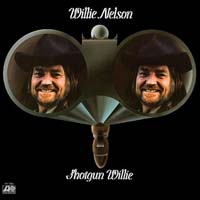 1973Shotgun Willie
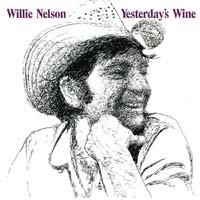 1971Yesterday's Wine
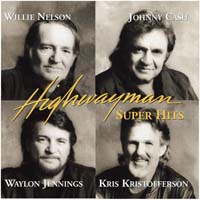 0Waylon