
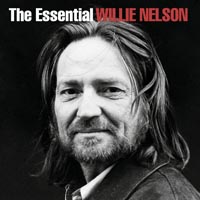
The evolution of Willie Nelson in The Minstrel Man
The Minstrel Man- Album Overview
Released in 1978, "The Minstrel Man" marks an intriguing chapter in Willie Nelson's prolific career. This album was produced by the legendary music figure himself, alongside the help of other notable collaborators such as the iconic producer Jerry Wexler. "The Minstrel Man" was released under the Columbia Records label, a platform that played a pivotal role in Nelson's rise to fame during the 1970s. The album captures the essence of country music while also infusing elements of folk and pop, showcasing Nelson's versatility as an artist.
The album features a total of 10 tracks, each reflecting Nelson's signature storytelling ability and heartfelt lyricism. Notable songs include "The Minstrel Man," which serves as both the title track and a thematic centerpiece, exploring themes of love, loss, and reflection. Collaborators on this project include the likes of Paul English on drums and Bee Spears on bass, both of whom have been integral to Nelson’s sound over the years. The recording process took place at the famous Sunset Sound Studios in Los Angeles, where the vibe of the city intermingled with Nelson's rural roots, creating a unique soundscape.
At the time of its release, "The Minstrel Man" did not produce major hit singles as some of Nelson's earlier albums did; however, it remains a significant work within his discography. The album beautifully encapsulates the evolution of Willie Nelson as not just a performer, but as a songwriter and storyteller, bridging the gap between traditional country music and the more progressive sounds of the 1970s. Its cultural significance lies in Nelson's ability to resonate with audiences through his deeply personal narratives, maintaining relevance in an ever-changing music landscape.
Review
"The Minstrel Man" showcases Willie Nelson's unique ability to blend genres while remaining true to his country roots. The sound is characterized by smooth melodies, gentle instrumentation, and Nelson's iconic, weathered vocals that convey a sense of authenticity and warmth. Lyrically, the album dives into complex themes, often reflecting on personal experiences and broader societal issues, which resonate deeply with listeners.
In terms of artistic vision, Nelson successfully crafts an intimate atmosphere throughout the album, inviting listeners into his world. The production values are noteworthy; they allow for a polished yet organic sound that highlights the emotional weight of the lyrics. Tracks like "The Minstrel Man" and "I Can't Help It (If I'm Still in Love with You)" embody this spirit, offering poignant reflections on love and life. Overall, the album serves as a testament to Nelson's evolution as an artist who continually seeks to transcend traditional boundaries while remaining grounded in personal truth.
Highlights
- Rich storytelling and emotional depth in lyrics
- A seamless blend of country, folk, and pop influences
- Strong production quality and collaboration with renowned musicians
Weak points
- Lack of commercially successful singles compared to earlier works
- Some tracks may feel less memorable than his most iconic songs
- The album's pacing may not resonate with all listeners
Overall evaluation
"The Minstrel Man" stands as a significant yet understated entry in Willie Nelson's catalog. While it may not have achieved the commercial heights of his previous albums, it certainly showcases his artistic growth and commitment to authenticity. A heartfelt collection that invites introspection, the album is a must-listen for dedicated fans and newcomers to his music alike.
Personal rating: 7/10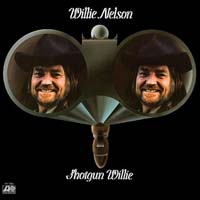 1973Shotgun Willie
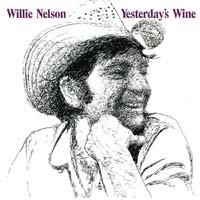 1971Yesterday's Wine
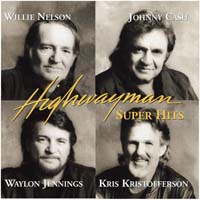 0Waylon