
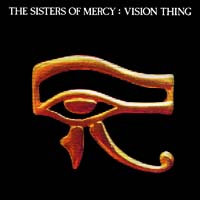
Vision Thing: the story The Sisters of Mercy wants to tell
Vision Thing- Album Overview
"Vision Thing," released on October 22, 1990, is the third studio album by the British rock band The Sisters of Mercy. This album marked a significant shift in both sound and production for the band, as they transitioned from their earlier gothic rock roots to a more polished and mainstream rock sound. Released under the EastWest Records label, "Vision Thing" was produced by the band in collaboration with producer and engineer Andrew Eldritch, the band's enigmatic frontman and primary songwriter.
The album features a total of 10 tracks, including notable singles such as "More," "This Corrosion," and "Doctor Jeep." "More" was particularly successful, reaching the UK Top 40 and showcasing the band’s ability to blend their signature dark, atmospheric style with more accessible melodies. The lyrical themes of "Vision Thing" often delve into existentialism, politics, and the nature of desire, reflecting Eldritch's penchant for evocative and provocative storytelling.
Musically, the album has been characterized by its heavy use of guitars, drum machines, and synths, creating a sound that is both expansive and driving. The Sisters of Mercy's move towards a more commercial sound in "Vision Thing" drew mixed reactions from critics and fans alike, but it undeniably broadened their appeal. The album's cover art, featuring a striking design by the band, further cements its cultural significance within the gothic and alternative rock scenes of the late 20th century, illustrating the band's visual artistry as much as their musical one.
Review
"Vision Thing" serves as a bold statement from The Sisters of Mercy, where the band's artistic vision comes to the forefront. The album's sound is a blend of driving rock rhythms and haunting melodies, crafted with a level of sophistication that showcases the band's evolution. Tracks like "This Corrosion" exemplify the expansive soundscapes they are known for, layered with rich instrumentation and atmospheric production. Lyrically, the album is filled with cryptic and introspective themes, inviting listeners to explore the depths of desire and disillusionment. Eldritch’s distinctive baritone delivers these themes with both intensity and charisma, making each track a memorable listening experience. However, some critics argue that the shift towards a more commercial sound may have diluted the raw edge that characterized their earlier work. While "Vision Thing" has its share of anthemic tracks that resonate well in a live setting, there are moments where the production feels overly polished, potentially alienating long-time fans of the band's earlier, grittier aesthetic. Nevertheless, the album remains a vital chapter in The Sisters of Mercy’s discography, showcasing their ability to adapt and evolve while still retaining the essence of what made them a defining force in the gothic rock genre.
Highlights
- Strong production quality elevates the band's sound.
- Memorable singles that resonate with both fans and new listeners.
- Intriguing lyrical themes that encourage deeper reflection.
Weak points
- Shift towards mainstream sound may alienate some longtime fans.
- Over-polished production at times obscures raw emotional impact.
- Some tracks lack the intensity of earlier works.
Overall evaluation
"Vision Thing" stands as a testament to The Sisters of Mercy's ability to redefine their sound while exploring complex themes. It may not satisfy every fan's expectations, but it undeniably showcases the band's growth and ambition. The album remains a significant piece of the alternative rock landscape of the early '90s.
Personal rating: 7/10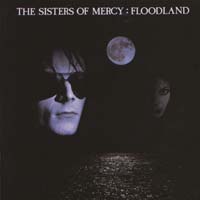 1987Floodland
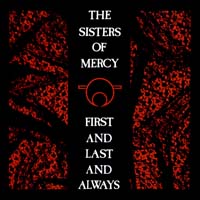 1985First and Last and Always