
First impressions of The Sisters of Mercy – Floodland
Floodland- Album Overview
Released in 1987, "Floodland" is the second studio album by the British rock band The Sisters of Mercy. This album marked a significant evolution in the band's sound, moving from their earlier post-punk roots towards a more polished gothic rock aesthetic. The album was recorded at the Windmill Lane Studios in Dublin and produced by Andrew Eldritch, the band's lead vocalist and primary songwriter. Released under the label Merciful Release, "Floodland" features a lush layering of guitars, synths, and drum machines, creating a soundscape that is both atmospheric and haunting.
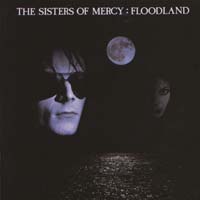
"Floodland" includes notable singles such as "This Corrosion" and "Lucretia My Reflection," both of which received significant airplay and contributed to the band's growing popularity. The album's lyrical content often touches on themes of love, loss, and existential despair, reflective of Eldritch's poetic style. The album's artwork, featuring a stark black-and-white aesthetic, complements its somber themes and has become iconic within the goth subculture.
Culturally, "Floodland" played an essential role in defining the sound of gothic rock in the late '80s and has influenced countless artists across various genres. The album's combination of dark themes with anthemic choruses resonated with audiences, solidifying The Sisters of Mercy's status as one of the genre's leading bands. "Floodland" remains a cornerstone of gothic rock, showcasing the band's artistic vision and enduring legacy in the music world.
Review
"Floodland" is a masterclass in gothic rock, combining theatricality with rich musicality. The album opens with "Lucretia My Reflection," setting a tone that is both grand and introspective. The driving bass lines and sweeping synths create an immediate atmosphere that envelops the listener. Lyrically, Eldritch explores themes of darkness and desire, employing vivid imagery that invites deep contemplation.
The standout track, "This Corrosion," exemplifies the album's ability to blend emotional weight with anthemic power. The orchestral elements add a cinematic quality, elevating the song into a near-operatic experience. However, the production choices, though ambitious, occasionally overshadow the raw energy that characterized their debut album, "First and Last and Always." While this may alienate some long-time fans, it simultaneously showcases the band’s evolution and willingness to experiment.
Overall, "Floodland" is a bold statement from The Sisters of Mercy, one that challenges the conventions of rock music while embracing a gothic ethos. It solidifies their place in music history as they navigate themes of despair and longing with a lush, expansive sound.
Highlights
- Rich, atmospheric production that enhances the gothic rock aesthetic.
- Powerful and evocative lyrics that resonate emotionally.
- Memorable anthems like "This Corrosion" and "Lucretia My Reflection" that have stood the test of time.
Weak points
- Some production choices may detract from the raw energy present in their earlier work.
- The album's lengthy tracks may not appeal to all listeners seeking more concise songwriting.
- Potentially polarizing sound that may not resonate with fans of their debut album.
Overall evaluation
In conclusion, "Floodland" is a significant and ambitious work that showcases The Sisters of Mercy's artistic evolution. While it may diverge from their earlier sound, it remains a landmark album in gothic rock, filled with haunting melodies and profound lyrics.
Personal rating: 8/10 1990Vision Thing
 1985First and Last and Always