ALBUM NOTESVan Halen III: discovering Van Halen's artistry
Van Halen III- Album Overview
Van Halen III, released on March 17, 1998, marks a significant chapter in the storied history of the iconic rock band Van Halen. This album was the first to feature Gary Cherone as the lead vocalist, following the departure of Sammy Hagar. Released under the Warner Bros. Records label, the album was produced by the band itself, showcasing their desire to return to their roots while also exploring new musical territories.
The recording sessions took place in 1997, during which the band aimed to blend their classic hard rock sound with elements of alternative rock and heavy metal, a shift influenced by the changing musical landscape of the late '90s. The album includes 12 tracks, with notable singles such as "Without You," "One I Want," and "Fire in the Hole." While not as commercially successful as their previous albums, Van Halen III still captures the essence of the band's artistry, as it delves deeper into personal themes and introspection.
The album's production features intricate guitar work from Eddie Van Halen, whose signature sound remains a standout element, while the lyrical content, often reflective and mature, provides a glimpse into the band's evolution. Despite mixed reviews, the album has gained a level of retrospective appreciation, highlighting the band's resilience and adaptability in a rapidly changing music scene.
Review
Van Halen III presents a unique blend of the classic Van Halen sound while pushing the boundaries of their musical identity. The album opens with "New World," a track that sets a contemplative tone, showcasing Cherone's vocal prowess in contrast to the band's established style. The sound is marked by Eddie's intricate guitar riffs, which remain a hallmark of Van Halen's sound, yet there is a noticeable shift towards more complex arrangements and mature themes.
Lyrically, the album explores themes of love, loss, and self-discovery, with tracks like "Without You" and "One I Want" delivering emotionally charged narratives. Cherone's songwriting complements Eddie’s instrumental work, creating a cohesive artistic vision that reflects the band’s evolution. However, some critics argue that the album strays too far from the high-energy rock anthems that defined their earlier work, leading to a divide among fans.
The production quality is commendable, capturing the raw energy of live performances while also allowing for a polished studio finish. This juxtaposition of sounds evokes both nostalgia and a sense of forward-thinking creativity, making Van Halen III a noteworthy entry in the band's discography.
Highlights
- Impressive guitar work from Eddie Van Halen, showcasing his signature style.
- Thoughtful and introspective lyrics, marking a mature shift in the band's thematic focus.
- Gary Cherone's vocal performance, which adds a fresh perspective to the band's sound.
Weak points
- Mixed critical reception, with some fans feeling a disconnect from the classic Van Halen sound.
- Commercial performance did not meet the expectations set by previous albums.
- Some tracks may feel overly ambitious or experimental, alienating certain listeners.
Overall evaluation
Van Halen III stands as a testament to the band's willingness to evolve while maintaining their core identity. It may not have achieved the same commercial success as its predecessors, but it offers a unique glimpse into the band's artistic journey. The album's blend of hard rock and lyrical depth invites listeners to appreciate Van Halen's artistry on a different level.
Personal rating: 7/10

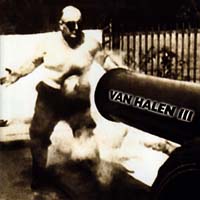
 2012A Different Kind of Truth
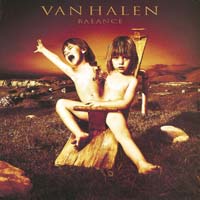 1995Balance
 1991For Unlawful Carnal Knowledge
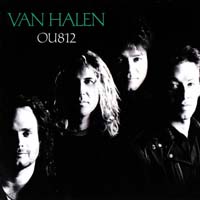 1988OU812
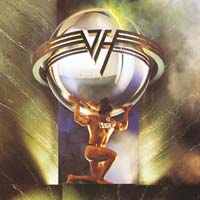 19865150
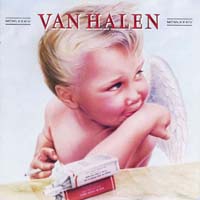 19831984
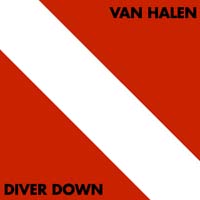 1982Diver Down
 1981Fair Warning
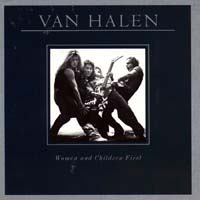 1980Women and Children First
 1979Van Halen II