1984- Album Overview
The album "1984" by Van Halen was released on January 9, 1984, marking a significant point in the band's career and in the rock genre as a whole. This album, the band's sixth studio release, was produced by Ted Templeton and released under the Warner Bros. Records label. "1984" showcases a blend of hard rock, glam metal, and the emerging sound of synthesizers, which would come to define much of the 1980s rock landscape. The recording sessions took place at 5150 Studios in Los Angeles, which was owned by the band’s guitarist, Eddie Van Halen, allowing for a more personal and creative environment.
The album features iconic tracks such as "Jump," "Panama," and "I'll Wait," with "Jump" becoming a significant hit and reaching No. 1 on the Billboard Hot 100 chart. This success contributed to the album's multi-platinum status, eventually selling over 6 million copies in the United States alone. Lyrically, "1984" touches on themes of rebellion, youthful exuberance, and the search for freedom, resonating with a generation eager for change. The album's cover art, featuring a striking image of a young woman and a prominent depiction of the band's logo, further solidified its cultural impact.
"1984" is often credited with pushing the boundaries of rock music into the mainstream, as it embraced synthesizers without sacrificing the raw energy that defined earlier Van Halen albums. Collaborators on this album included the band's original members: David Lee Roth (vocals), Eddie Van Halen (guitar, keyboards), Michael Anthony (bass), and Alex Van Halen (drums). The blend of Eddie's innovative guitar work and Roth's flamboyant vocal style created a distinct sound that influenced countless artists in the years to follow.
Review
"1984" is an audacious exploration of sound that showcases Van Halen's ability to evolve while retaining their signature rock energy. The opening track, "Jump," is an anthem of the era, with its infectious synthesizer riff and catchy chorus, epitomizing the blend of rock and pop influences that would come to dominate the charts. The album's production is polished yet powerful, thanks to Ted Templeton's adept handling, allowing each instrument to shine.
Lyrically, tracks like "Panama" embody the spirit of the 80s with their brash, carefree attitude. However, there's a depth to the lyrics that hints at the complexity of the human experience, with moments of introspection amid the exuberance. Eddie Van Halen's guitar work is nothing short of legendary, particularly in tracks like "Hot for Teacher," where his intricate solos and innovative techniques take center stage.
The artistic vision of "1984" reflects a band at the peak of their powers, unafraid to take risks and redefine their sound. The use of synthesizers and layered production techniques was a bold move that, while polarizing at the time, ultimately proved to be a defining feature of the decade's rock landscape.
Highlights
- Innovative blend of rock and synthesizers that set the tone for the 80s music scene.
- Powerful and memorable tracks, particularly "Jump" and "Panama," that showcase the band's songwriting prowess.
- Eddie Van Halen's virtuosic guitar work, which remains influential and revered in the rock genre.
Weak points
- The heavy reliance on synthesizers may alienate traditional hard rock purists.
- Some lyrics may come off as superficial or lacking in depth compared to earlier works.
- The polished production, while impressive, may detract from the raw energy that fans adored in their earlier albums.
Overall evaluation
"1984" stands as a hallmark of Van Halen's career, encapsulating a moment when rock music was ready to embrace new sounds


 2012A Different Kind of Truth
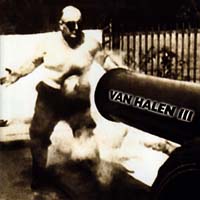 1998Van Halen III
 1995Balance
 1991For Unlawful Carnal Knowledge
 1988OU812
 19865150
 1982Diver Down
 1981Fair Warning
 1980Women and Children First
 1979Van Halen II