

How Jay McShann shaped the sound of Tuxedo Junction
Tuxedo Junction- Album Overview
Tuxedo Junction, released in 1943, is a seminal album by the Kansas City jazz pianist and bandleader Jay McShann. The album was recorded during a prolific period in McShann's career, reflecting the vibrant jazz scene of the early 1940s. The album was released under the Decca Records label, which was instrumental in promoting jazz and blues artists during this era. McShann, often celebrated for his role in the development of the Kansas City jazz sound, brought together a talented ensemble of musicians to create this notable work. The album features tracks such as the titular "Tuxedo Junction," which became a significant hit, along with other notable pieces that showcase McShann's distinctive style of piano playing. The recording sessions brought together several of McShann's key collaborators, including the legendary saxophonist Ben Webster and trumpeter Claude Williams, both of whom contributed to the album's rich texture and improvisational spirit. The music on Tuxedo Junction is characterized by its swinging rhythms, bluesy melodies, and a blend of big band and small combo jazz styles, which McShann expertly navigated throughout his career. Culturally, the album stands as a testament to the evolution of jazz during the transition from big band swing to the more intimate sounds of bebop. McShann's work helped lay the groundwork for many future jazz musicians, influencing artists across genres. The album not only showcases his exceptional craftsmanship but also captures the essence of an era that was pivotal in shaping modern jazz.
Review
In Tuxedo Junction, Jay McShann delivers a vibrant and engaging collection of jazz standards that highlight his prowess as both a pianist and bandleader. The album's opener, "Tuxedo Junction," serves as a prime example of McShann's ability to blend intricate piano lines with a rich, swinging rhythm section, creating an infectious groove that invites listeners to dance. McShann's piano playing is characterized by its blues-infused style, drawing on the traditions of Kansas City jazz while incorporating elements of swing and bebop. The album is filled with energetic performances that showcase the collaborative spirit between McShann and his band members. Each track reflects a deep understanding of musical conversation, with soloists taking turns to shine while maintaining a cohesive sound throughout. Lyrically, while much of the album focuses on instrumental tracks, the melodies evoke a strong sense of emotion and storytelling, drawing the listener into the narrative of the music. Overall, McShann's artistic vision in Tuxedo Junction is one of celebration and innovation, capturing the essence of a transformative period in jazz history. The album not only serves as a beautiful musical experience but also stands as a historical artifact that illustrates the evolution of jazz in America.
Highlights
- Exceptional piano work by Jay McShann, blending blues and jazz seamlessly.
- Engaging arrangements that showcase the talents of the accompanying musicians.
- Strong cultural significance in the context of Kansas City jazz and the larger jazz movement.
Weak points
- Some tracks may feel dated to modern listeners unfamiliar with the era.
- Limited lyrical content, as the focus is primarily on instrumental performances.
- Occasional inconsistency in production quality due to the era's recording technology.
Overall evaluation
Tuxedo Junction by Jay McShann is a cornerstone of early jazz that showcases the artist's immense talent and the vibrant musical culture of its time. The album is a must-listen for fans of jazz and those interested in the roots of American music.
Personal rating: 8/10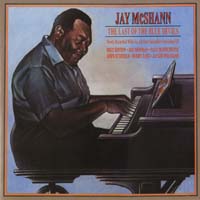 2006The Last of the Blue Devils