

Jay McShann – Last Of The Whorehouse Piano Players: a sonic journey
Last Of The Whorehouse Piano Players- Album Overview
Released in 1997, "Last Of The Whorehouse Piano Players" is a poignant homage to the vibrant jazz and blues traditions that Jay McShann championed throughout his illustrious career. A revered figure in the world of jazz, McShann's work is steeped in the rich history of Kansas City jazz, and this album serves as both a retrospective and a celebration of his legacy. Produced by the esteemed label, 32 Jazz, the album captures the essence of McShann's distinctive style, characterized by his infectious piano playing and soulful vocals.
The recording features a mix of original compositions and classic tunes, showcasing McShann's ability to blend different musical elements seamlessly. Notable tracks include "Hootie Blues" and "Confessin' the Blues," where McShann's expressive playing and storytelling come to life. Collaborators on the album include top-notch musicians who enrich the sound, contributing to a full-bodied listening experience that pays tribute to the lively atmosphere of the whorehouses that inspired its title.
This album is significant not just musically but culturally, as it reflects the social and historical contexts of the era it represents. McShann's work is often seen as a bridge between traditional jazz and the burgeoning rhythm and blues scene, making this release an essential piece of musical history. As one of the last musicians to embody the spirit of the whorehouse piano players, McShann's album resonates with nostalgia and authenticity, offering listeners a sonic journey through the heart of American music.
Review
"Last Of The Whorehouse Piano Players" presents a compelling soundscape that is both retro and timeless. The album opens with a warm embrace of jazz-infused blues, with McShann's piano taking center stage, effortlessly intertwining melody and rhythm. His unique vocal delivery adds an emotional depth to the tracks, making each story resonate with listeners. Throughout the album, McShann demonstrates his artistic vision by blending elements of jazz, blues, and boogie-woogie, creating a rich tapestry of sound that reflects his roots.
The lyrical content is steeped in the experiences and realities of life, offering a candid look at the joys and struggles of the human condition. McShann's ability to convey deep emotions through his music is particularly evident in tracks like "Hootie Blues," where his piano work is both playful and poignant. The production, while simple, allows the raw energy of the performances to shine through, making it feel as if listeners are right there in the room with the musicians.
Highlights
- Rich and expressive piano playing that showcases McShann's virtuosity.
- Authentic storytelling that connects with listeners on a personal level.
- A seamless blend of jazz and blues that captures the essence of McShann's musical heritage.
Weak points
- The production may feel dated to some modern listeners.
- Occasional repetition in musical themes across tracks.
- Limited mainstream recognition despite its artistic merit.
Overall evaluation
Jay McShann’s "Last Of The Whorehouse Piano Players" is a heartfelt tribute to a bygone era of American music, filled with warmth and nostalgia. While it may not appeal to all contemporary tastes, its authenticity and emotional depth make it a significant work in the jazz and blues canon.
Personal rating: 8/10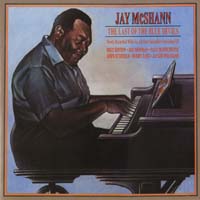 2006The Last of the Blue Devils