

A closer look at Art Blakey's album Three Blind Mice Vol. 2
Three Blind Mice Vol. 2- Album Overview
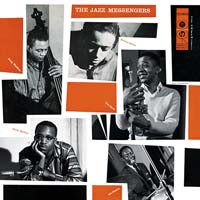
"Three Blind Mice Vol. 2," released in 1980, is a notable entry in the discography of legendary jazz drummer Art Blakey, known for his work as the bandleader of the Jazz Messengers. This album features a collection of tracks that showcase Blakey's powerful drumming style and dynamic leadership. Recorded under the prestigious Blue Note label, the album is a follow-up to "Three Blind Mice Vol. 1," further exploring the hard bop genre that Blakey was instrumental in popularizing during the 1950s and 60s.
The recording session for "Three Blind Mice Vol. 2" took place in 1962, although it wasn't released until nearly two decades later. This delay was due to various factors, including the complexities of the music industry and the evolving landscape of jazz. The album features several talented collaborators, including saxophonist Wayne Shorter, trumpeter Lee Morgan, and pianist Bobby Timmons, all of whom were integral members of the Jazz Messengers during their respective tenures.
Musically, "Three Blind Mice Vol. 2" captures the essence of the hard bop style, characterized by its rhythmic intensity and emotive melodies. The album includes tracks such as "A Night in Tunisia," a standard that Blakey has made his own, and "The Drum Thunder Suite," which highlights Blakey's exceptional drumming skills and improvisational prowess. The cultural significance of this album lies in its representation of a transformative period in jazz, where artists were beginning to experiment with new forms while remaining rooted in traditional jazz elements.
Throughout the 1960s and 70s, Blakey was a pivotal figure in nurturing young talent, making his recordings not only significant in terms of musical quality but also as a platform for emerging artists. "Three Blind Mice Vol. 2" stands as a testament to Blakey's enduring legacy and his commitment to the evolution of jazz music.
Review
The sound of "Three Blind Mice Vol. 2" is a rich tapestry of rhythmic complexity and melodic sophistication. Blakey's drumming is both thunderous and subtle, providing a powerful backbone to the ensemble's performance. The interplay between the musicians creates a lively atmosphere, as each artist contributes uniquely to the collective sound. The album's arrangements allow for moments of individual expression while maintaining a cohesive group dynamic. The overall production is crisp, offering an authentic listening experience that captures the raw energy of a live performance.
Artistically, Blakey's vision is clear: he aims to push boundaries while honoring the jazz tradition. The combination of established jazz standards with original compositions showcases his ability to blend the old with the new, making the album both accessible and innovative. Listeners can appreciate the technical skill displayed by each musician, along with Blakey's role as a guiding force. The album stands out as a significant piece, reflecting the spirit of collaboration and creativity that defines jazz.
Highlights
- Exceptional drumming by Art Blakey, showcasing his powerhouse style.
- Strong performances from a talented ensemble, including notable jazz musicians.
- A balanced mix of standards and original compositions that highlight the evolution of jazz.
Weak points
- The album's delayed release may lead to a diminished initial impact on audiences.
- Some tracks may feel less innovative compared to contemporary jazz explorations.
- Lack of extensive promotion upon release could limit its recognition in jazz history.
Overall evaluation
"Three Blind Mice Vol. 2" is a compelling testament to Art Blakey's artistry and the enduring spirit of jazz. It showcases the intricate interplay of musicianship within the hard bop genre while reflecting Blakey's significant role in shaping the jazz landscape. This album is a must-listen for jazz
 1997The Jazz Messengers