
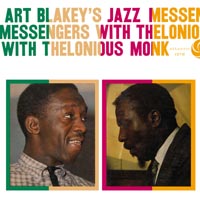
First impressions of Art Blakey – Sonny Rollins With The Modern Jazz Quartet
Sonny Rollins With The Modern Jazz Quartet- Album Overview
The album "Sonny Rollins With The Modern Jazz Quartet" was released in 1956 under the prestigious label Riverside Records. This collaboration features renowned tenor saxophonist Sonny Rollins, who is celebrated for his improvisational skills and distinctive sound, alongside the acclaimed Modern Jazz Quartet, known for their sophisticated blend of classical and jazz influences. The recording sessions took place in New York City, a hub for jazz innovation during the 1950s, and the album captures a moment when jazz was evolving and merging different styles.
The album consists of six tracks, including notable pieces like "St. Thomas" and "Airegin," showcasing Rollins' ability to weave complex melodies over the MJQ's intricate arrangements. The Modern Jazz Quartet's members—Milt Jackson (vibes), John Lewis (piano), Percy Heath (bass), and Connie Kay (drums)—bring their unique sound to the collaboration, creating a rich backdrop for Rollins' improvisations. This album, while not as commercially well-known as some of Rollins' other works, holds cultural significance as it exemplifies the cross-pollination of jazz styles during a critical era in the genre's history. It also serves as a testament to the artistry of both Rollins and the Modern Jazz Quartet, solidifying their places in the jazz canon.
Review
The album opens with "St. Thomas," a spirited calypso-influenced track that immediately sets the tone for what is to come. Rollins' powerful tenor saxophone leads with a playful yet complex melody, complemented beautifully by the MJQ's harmonious interplay. The sound is rich and textured, with Jackson's vibraphone providing a warm, resonant quality that contrasts with Rollins' sharp, incisive playing. Throughout the album, the chemistry between Rollins and the quartet is palpable, as they navigate through tempos and moods with ease.
Musically, this collaboration is both innovative and refreshing, demonstrating the versatility of jazz during the 1950s. Each track is meticulously arranged, yet allows ample room for improvisation, showcasing the members' virtuosity. Lyrically, the album doesn't focus on words but rather on the storytelling power of instrumental jazz, conveying emotion and narrative through sound. The artistic vision here is clear: a synthesis of individual expression and collective creativity that defines the essence of jazz.
Highlights
- The dynamic interplay between Rollins' saxophone and the MJQ's instrumentation.
- The infectious rhythm and melody of "St. Thomas," which is a standout track.
- The innovative blending of jazz and classical elements, showcasing the MJQ's unique style.
Weak points
- The album’s length feels short, leaving listeners wanting more from this stellar collaboration.
- Some tracks may come off as overly structured for listeners who prefer more free-form jazz.
- Limited vocal elements may not appeal to those who favor lyrical content in music.
Overall evaluation
"Sonny Rollins With The Modern Jazz Quartet" stands as a remarkable example of collaborative jazz artistry, merging the improvisational genius of Rollins with the refined elegance of the MJQ. While it may not have the same recognition as other jazz classics, its intricate compositions and exceptional performances make it a worthwhile listen for any jazz aficionado.
Personal rating: 8/10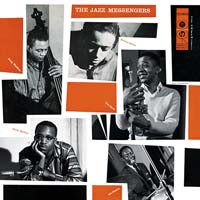 1997The Jazz Messengers