
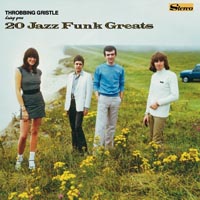
Listening to Thirty-Second Annual Report by Throbbing Gristle
Thirty-Second Annual Report- Album Overview
Released in 1977, "Thirty-Second Annual Report" is the debut studio album from the British industrial music pioneers Throbbing Gristle. Released on their own label, Industrial Records, the album is a challenging and provocative exploration of sound and concept that laid the groundwork for the industrial genre. The group, consisting of Genesis P-Orridge, Cosey Fanni Tutti, Peter Christopherson, and Chris Carter, aimed to subvert traditional music structures and challenge societal norms through their art. The album features a series of tracks that blend unsettling soundscapes, found sounds, and abstract lyrics, revealing a stark reflection of contemporary life and culture. Recording sessions for the album were noted for their experimental approach, often employing unconventional instruments and techniques, which resulted in a raw and unpolished sound. The album's most notable tracks include "Discipline" and "Hamburger Lady," both of which exemplify the band's willingness to confront taboo subjects and provoke strong emotional reactions. "Thirty-Second Annual Report" is not just a collection of songs; it is a manifesto of sorts, reflecting the group's ethos of deconstructing art and music. The release of this album marked a pivotal moment in the evolution of avant-garde music and has had a lasting influence on numerous genres, including post-punk, noise, and electronic music.
Review
From the opening track, "Discipline," Throbbing Gristle sets a tone of dissonance and unease that permeates the entire album. The band's artistic vision is clear; they are not interested in creating accessible music but rather in exploring the darker recesses of human experience. The sound is characterized by a visceral blend of industrial noise, spoken word, and ambient textures, which can be both captivating and jarring. Lyrically, the tracks delve into disturbing themes, often reflecting the anxieties and alienation of modern life. The production quality is intentionally lo-fi, enhancing the raw emotional impact of the music. Listeners may find themselves either repulsed or drawn in by the stark honesty of the recordings. The artistic expression found in "Thirty-Second Annual Report" is a testament to the group's desire to push boundaries and challenge the status quo. While some may find the album's abrasive nature difficult to digest, it undeniably leaves a lasting impression and invites reflection on the role of art in society.
Highlights
- Innovative sound design that challenges traditional music norms.
- Provocative lyrics that confront societal taboos and anxieties.
- Strong cultural significance as a pioneering work in the industrial genre.
Weak points
- Lo-fi production may alienate mainstream listeners.
- Some tracks may feel overly abstract or inaccessible.
- The album's confrontational themes may be disturbing for some.
Overall evaluation
"Thirty-Second Annual Report" is a groundbreaking work that encapsulates the ethos of Throbbing Gristle and the industrial movement. It is a challenging listen that rewards those open to its experimental nature. The album's cultural impact is undeniable, making it essential listening for anyone interested in the evolution of modern music.
Personal rating: 8/10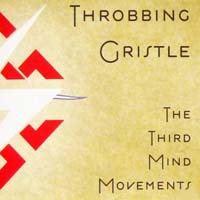 2009The Third Mind Movements
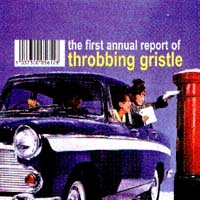 1987The First Annual Report of Throbbing Gristle
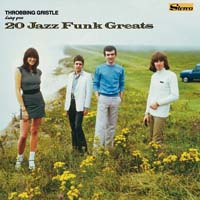 197920 Jazz Funk Greats
 1977The Second Annual Report