D.o.A. The Third and Final Report- Album Overview
Throbbing Gristle's "D.o.A. The Third and Final Report," released in 1978, stands as a pivotal moment in the evolution of industrial music and the band's own trajectory. Recorded at the band's studio, The Death Factory, the album captures the experimental essence that Throbbing Gristle is known for, blending elements of electronic, avant-garde, and noise music. The British band, composed of Genesis P-Orridge, Cosey Fanni Tutti, Chris Carter, and Peter Christopherson, pushed the boundaries of what music could be, infusing their work with unsettling themes, provocative soundscapes, and an anti-commercial ethos.
Released under the Industrial Records label, "D.o.A." is the band's third studio album and serves as a culmination of their experiments in sound and form. The album consists of ten tracks, including notable compositions like "AB/7A" and "Discipline." Each piece reflects the disquieting aesthetic that Throbbing Gristle embraced, marked by harsh electronic textures, manipulated vocal samples, and a stark production style. Collaborators on the album included the band members themselves, each contributing to the dense, layered sound that characterizes the work.
The significance of "D.o.A." extends beyond its sonic innovations; it played a crucial role in shaping the industrial music genre and influenced countless artists in the years that followed. The album's themes, which often delve into darker aspects of human experience and societal critiques, resonate with the cultural landscape of the late 1970s, marked by political unrest and a questioning of mainstream norms. Its release solidified Throbbing Gristle's reputation as provocateurs and pioneers, forever altering the musical landscape.
Review
"D.o.A. The Third and Final Report" is an audacious exploration of sound that challenges listeners on multiple levels. The album's production is deliberately raw, with unrefined edges that evoke a sense of urgency and chaos. The opening track, "AB/7A," sets a foreboding tone, with its industrial clangs and haunting vocals that draw listeners into a world that feels both alien and familiar. Lyrically, the album eschews conventional narrative structures, opting instead for fragmented, often disturbing imagery that reflects the band's artistic vision of confronting societal taboos.
Musically, Throbbing Gristle employs a diverse palette of textures, seamlessly blending synthesized sounds, tape manipulation, and live instrumentation. The use of silence and abrupt transitions creates a disjointed listening experience, mirroring the disarray of contemporary life. "D.o.A." is not just an album; it is an experience that invites introspection and challenges preconceived notions of what music can and should convey. In essence, it is a sonic manifesto that encapsulates the band's commitment to pushing boundaries and provoking thought.
Highlights
- Innovative soundscapes that redefine musical boundaries.
- Provocative themes that challenge societal norms.
- Raw, unrefined production that adds to the album's intensity.
Weak points
- May be inaccessible to mainstream listeners due to its experimental nature.
- Some tracks can feel disjointed and challenging to follow.
- Lack of melodic structure may deter fans of traditional music forms.
Overall evaluation
"D.o.A. The Third and Final Report" is a landmark album that encapsulates the essence of Throbbing Gristle's artistic vision and the industrial genre as a whole. Its raw energy and confrontational themes make it a crucial listen for anyone interested in the evolution of experimental music.
Personal rating: 9/10


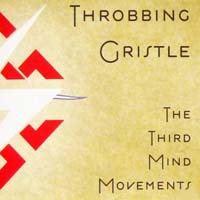 2009The Third Mind Movements
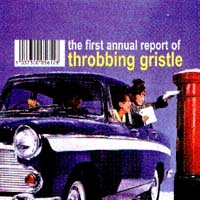 1987The First Annual Report of Throbbing Gristle
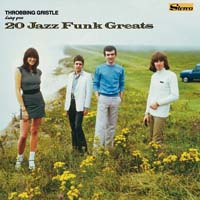 197920 Jazz Funk Greats
 1977The Second Annual Report