
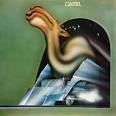
From intro to finale: what The Single Factor delivers
The Single Factor- Album Overview
"The Single Factor," released in 1982, marks the ninth studio album by the British progressive rock band Camel. Issued under the Camel Productions label, the album showcases the band's continuous evolution while remaining true to their distinct sound. Recorded during a period of lineup changes, the album features the contributions of founding members Andy Latimer and Guy Evans, with the addition of new members, including vocalist and keyboardist Chris Rainbow. This shift in personnel brought a fresh dynamic, evident in the album's diverse soundscapes.
The album was produced by Latimer himself, allowing for a personal touch that aligns with Camel's artistic vision. "The Single Factor" includes tracks such as "Pressure Points," which was released as a single, and demonstrates the band's blend of rock, jazz, and classical influences. The lyrical themes explore existential reflections and personal struggles, resonating with listeners who appreciate depth in their music.
Despite being less commercially successful than its predecessors, "The Single Factor" has garnered a cult following and is noted for its intricate instrumentation and the seamless interplay between guitar and keyboard melodies. The album's cultural significance lies in its representation of the progressive rock genre during the early 1980s, a time when the music scene was rapidly evolving with new wave and punk influences. Camel's commitment to their progressive roots during this transitional period is commendable and adds to the album's enduring appeal.
Review
The sound of "The Single Factor" is multifaceted, showcasing Camel's adeptness at blending various musical styles. The album opens with "Pressure Points," setting a tone of urgency and complexity that persists throughout the record. The instrumental sections are where Camel truly shines, with Latimer's evocative guitar solos and the dynamic rhythm section driving the music forward. Lyrically, the album presents a mix of introspection and narrative storytelling, though some listeners may find the lyrics less impactful than the preceding albums.
Musically, the album embraces synthesizers and electric instrumentation, reflecting the era's technological advancements while retaining the band's signature melodic sensibilities. The production quality is high, capturing the nuances of each instrument, although some fans may yearn for the more organic sound of earlier works. Overall, "The Single Factor" is a testament to Camel's resilience and ability to adapt, making it a noteworthy addition to their discography.
Highlights
- Intricate guitar work and rich instrumentation
- Diverse musical styles blending rock, jazz, and classical elements
- Strong production values that enhance the listening experience
Weak points
- Less impactful lyrics compared to earlier albums
- Some tracks may feel less cohesive within the album's flow
- Could alienate listeners seeking a more traditional progressive rock sound
Overall evaluation
"The Single Factor" stands as a significant, albeit polarizing, entry in Camel's catalog. While it may not reach the heights of their classic albums, its unique sound and introspective themes offer a rewarding listen for dedicated fans and newcomers alike.
Personal rating: 7/10