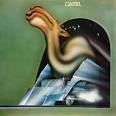
Camel- Album Overview
Camel's self-titled debut album, "Camel," was released in 1973 under the label MCA Records. This album marks the beginning of the band's journey into the progressive rock genre, showcasing their unique blend of melodic structures and intricate instrumental passages. Recorded at IBC Studios in London, "Camel" features contributions from founding members Andrew Latimer, Peter Bardens, Doug Ferguson, and Andy Ward, who collectively crafted a sound that would go on to influence many in the progressive rock scene.
The album consists of 8 tracks, including notable pieces like "Slow Yourself Down" and "Curiosity," which highlight the band's ability to merge lyrical content with complex musical arrangements. The production was steered by the band themselves, emphasizing their vision and sound. Although "Camel" did not achieve immediate commercial success, it laid the groundwork for the band's future endeavors, leading to a series of critically acclaimed albums throughout the 1970s and beyond.
The cultural significance of "Camel" extends beyond its initial release; it represents a time when progressive rock was burgeoning, characterized by lengthy compositions and conceptual storytelling. The album's exploration of themes such as introspection and the passage of time resonates well with the era's artistic aspirations. Despite the initial obscurity, "Camel" has since been recognized as a classic in the progressive rock canon, admired for its craftsmanship and innovation.
Review
Camel's debut album is a compelling introduction to their sound, marked by a blend of rock, jazz, and classical influences. The opening track, "Slow Yourself Down," sets the tone with its laid-back groove and intricate guitar work, showcasing Andrew Latimer's distinctive style. The album progresses through various moods and tempos, with tracks like "The Passenger" displaying a more upbeat energy, while "Curiosity" dives into introspective lyrics set against a lush musical backdrop.
Lyrically, the album explores themes of self-reflection, curiosity, and the complexities of human experience, encapsulated in beautifully crafted verses. The instrumental interplay between the band members, particularly Latimer's guitar and Bardens' keyboard work, is impressive, creating a rich tapestry of sound that invites listeners to lose themselves in the music. The production quality, although reflective of its time, captures the essence of Camel's artistic vision and allows each instrument to shine.
While the album may not have the immediate catchiness of some contemporaries, its depth and subtlety reward repeated listens, revealing new layers with each spin. Camel's ability to weave intricate melodies with thoughtful lyrics is evident throughout, marking them as a formidable force in the progressive rock landscape.
Highlights
- Intricate instrumental arrangements showcasing the band's musical prowess.
- Thoughtful and introspective lyrics that resonate with listeners.
- Strong chemistry among band members, enhancing the overall sound.
Weak points
- Some tracks may feel slow-paced for listeners seeking immediate gratification.
- Production quality reflects its era, which might not appeal to modern sensibilities.
- Lacks the commercial hits that would define their later albums.
Overall evaluation
Camel's debut is a thoughtful and engaging entry into the progressive rock genre, establishing the band's identity and setting the stage for their future successes. While it may not have achieved immediate popularity, its artistic merit and musical depth make it a significant work worth exploring.
Personal rating: 7/10