
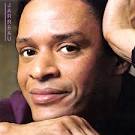
The evolution of Al Jarreau in The Masquerade Is Over
The Masquerade Is Over- Album Overview
"The Masquerade Is Over," released in 1981, is a seminal album by the iconic jazz and R&B vocalist Al Jarreau. This album marked a significant transition in Jarreau's career, showcasing his unique blend of jazz, pop, and soul influences. Released under the Warner Bros. Records label, the album was produced by the renowned Jay Graydon, who played a crucial role in shaping the sound of the record. Jarreau collaborated with an impressive lineup of musicians, including the likes of Greg Phillinganes and David Foster, enriching the album with their instrumental talents.
The album features a mix of original compositions and covers, with standout tracks like "Mornin'" and "After All." "The Masquerade Is Over" highlights Jarreau's vocal prowess and innovative approach to music, combining intricate vocal arrangements with smooth melodies. The lyrical themes explore love, introspection, and the complexities of human emotions, resonating with listeners on a profound level. Jarreau's ability to convey deep feelings through his voice is a hallmark of his artistry.
Musically, the album is significant for its sophisticated production techniques and seamless fusion of genres. While it did not achieve the commercial success of some of his later works, it established Jarreau as a versatile artist capable of transcending traditional musical boundaries. The album's release helped to solidify his status in the music industry, paving the way for his future successes. "The Masquerade Is Over" remains a crucial part of Al Jarreau's discography, reflecting his artistic evolution and enduring legacy in the world of jazz and pop music.
Review
In "The Masquerade Is Over," Al Jarreau demonstrates a masterful command over his vocal abilities, effortlessly blending smooth jazz with elements of pop and R&B. The album opens with the vibrant track "Mornin'," which encapsulates Jarreau's signature style—dynamic rhythms paired with soulful melodies. His vocal techniques, including scatting and improvisation, are highlighted throughout the record, showcasing his unique artistic vision.
The lyrics across the album delve into emotional landscapes, revealing a depth of feeling that Jarreau conveys with sincerity and grace. The production is polished yet warm, allowing the listener to engage fully with the instrumentation and vocal performances. Collaborators like Jay Graydon and David Foster bring a rich sonic texture to the album, enhancing its appeal without overshadowing Jarreau's distinctive voice.
While the album may not have achieved the mainstream success of his later works, it holds a special place in Jarreau's catalog. It reflects a critical period in his evolution as an artist, where he began to explore and establish his unique sound. Overall, "The Masquerade Is Over" stands as a testament to Jarreau's artistry, inviting listeners into a world of musical sophistication and heartfelt expression.
Highlights
- Exceptional vocal performance showcasing Jarreau's range and improvisational skills.
- Diverse musical arrangements that blend jazz, pop, and R&B seamlessly.
- Emotionally resonant lyrics that engage listeners on a personal level.
Weak points
- Some tracks may feel less engaging compared to the album's standout songs.
- Lack of commercial chart success may limit broader recognition of the album.
- Production style may come off as dated to contemporary listeners.
Overall evaluation
"The Masquerade Is Over" is a rich exploration of Al Jarreau's vocal artistry and musical versatility. While it may not be his most commercially successful album, it undeniably showcases his evolution as an artist and remains a significant part of his legacy.
Personal rating: 8/10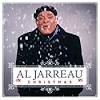 2008Christmas
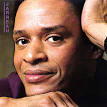 1993Al Jarreau
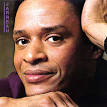 1983Jarreau
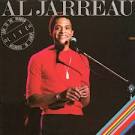 1977Look To The Rainbow
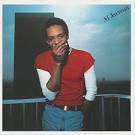 1976Glow