

The Least We Can Do Is Wave to Each Other: discovering Van der Graaf Generator's artistry
The Least We Can Do Is Wave to Each Other- Album Overview
"The Least We Can Do Is Wave to Each Other" is the second studio album by the British progressive rock band Van der Graaf Generator, released in 1970. This album came out on the Charisma Records label and marked a significant step in the band's artistic evolution, following their debut, "The Aerosol Grey Machine." The recording sessions took place at Trident Studios in London under the production of John Anthony, who helped shape the band's complex soundscape. The album features strong contributions from the band's core members: Peter Hammill (vocals, guitar, keyboards), Hugh Banton (bass, organ), David Jackson (saxophones, flute), and Guy Evans (drums). The album consists of five tracks, with notable songs like "Darkness (11/11)" and "The Sleepwalkers," showcasing Hammill's lyrical depth and the band's intricate arrangements. The single "Killer" was released prior to the album and gained some airplay, further establishing the band's presence in the burgeoning progressive rock scene. The album combines elements of rock, jazz, and classical music, reflecting the band's innovative approach to songwriting and performance. Culturally, "The Least We Can Do Is Wave to Each Other" is significant as it captures the essence of early 1970s progressive rock, a genre characterized by its ambition and willingness to experiment. The themes of existentialism and human experience explored in the lyrics resonate deeply with listeners, making this album a cornerstone of Van der Graaf Generator's discography and an influential work in the progressive rock movement.
Review
The sound of "The Least We Can Do Is Wave to Each Other" is a testament to Van der Graaf Generator's bold artistic vision. The album is characterized by its dense instrumentation and Hammill's intense, emotive vocals, which convey a sense of urgency and introspection. The intertwining melodies of the saxophones and the organ create a rich tapestry of sound that is both atmospheric and challenging. Tracks like "Darkness (11/11)" utilize dynamic shifts, moving from calm introspection to frenetic intensity, illustrating the band’s ability to convey complex emotions through music. Lyrically, the album dives deep into themes of alienation, mortality, and the human condition, presenting a philosophical exploration that invites listeners to ponder their own existence. The combination of poetic lyrics and musical experimentation positions Van der Graaf Generator as not just musicians, but as storytellers and philosophers of their time. The overall artistic vision is one of depth and complexity, challenging listeners to engage with the music on multiple levels.
Highlights
- Innovative use of instrumentation, blending rock with jazz and classical elements.
- Peter Hammill's powerful and emotive vocal performance.
- Thought-provoking lyrics that delve into existential themes.
Weak points
- Some tracks may feel overwhelming due to their complexity and length.
- The album's avant-garde style may not appeal to all listeners.
- Production qualities, while innovative, may sound dated to modern ears.
Overall evaluation
"The Least We Can Do Is Wave to Each Other" stands as a bold statement in the world of progressive rock. Its intricate compositions and profound lyrics present a unique listening experience that continues to resonate with fans of the genre. Despite its challenges, the album remains a vital piece of music history.
Personal rating: 8.5/10 2012Alt
 2011A Grounding in Numbers
 2008Trisector
 1976World Record
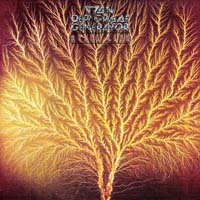 1976Still Life
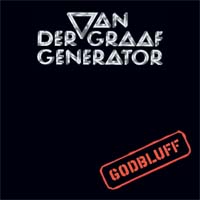 1975Godbluff
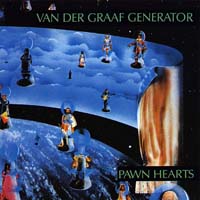 1971Pawn Hearts
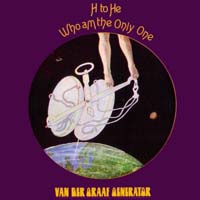 1970H to He, Who Am the Only One