

From intro to finale: what The Aerosol Grey Machine delivers
The Aerosol Grey Machine- Album Overview
Released in 1969, "The Aerosol Grey Machine" is the debut studio album by the British progressive rock band Van der Graaf Generator. The album was produced by the band themselves and released on the Charisma label, which was known for fostering innovative and avant-garde musical acts during the late 1960s. The band's lineup at the time included Peter Hammill (vocals, guitar, keyboards), Hugh Banton (bass, organ), and Guy Evans (drums). Notably, the album features contributions from David Jackson on saxophone, which later became a hallmark of the band’s sound.
The recording sessions took place at the famous Abbey Road Studios, where many iconic albums were crafted. The album has a total of eight tracks, including "The Aerosol Grey Machine," "W," and "Afterwards." The title track serves as an intriguing introduction to the band's unique sound, blending elements of rock, jazz, and avant-garde music.
While "The Aerosol Grey Machine" did not produce any significant commercial singles, it has been praised for its lyrical depth and experimental nature. The album's themes explore existentialism, personal identity, and the human condition, which reflect the countercultural sentiments of the time. Despite its initial mixed reception, the album has gained a cult following and is recognized as a significant precursor to the more complex and ambitious works that Van der Graaf Generator would later produce.
Review
The sound of "The Aerosol Grey Machine" is a fascinating amalgamation of styles that showcases Van der Graaf Generator's innovative spirit. The album opens with the haunting title track, which sets a tone of introspection and otherworldliness. Hammill's distinctive voice carries an emotional weight that is both compelling and unsettling, drawing listeners into a labyrinth of thought-provoking lyrics. The intricate instrumentation, particularly the use of saxophone and organ, creates a rich tapestry that complements the lyrical themes of alienation and existential dread.
The band's artistic vision is clear: they are unafraid to defy conventional song structures and delve into complex musical passages. Tracks like "W" and "Afterwards" highlight this ambition, with shifting time signatures and dynamic contrasts that keep listeners engaged. The album’s production captures a raw energy that feels both intimate and expansive, allowing the listener to feel the full impact of the band’s emotive performances.
While the album may not resonate with everyone due to its unconventional approach, it stands as a testament to the creative boundaries that Van der Graaf Generator sought to push. In an era dominated by more commercial sounds, "The Aerosol Grey Machine" carved its niche within the progressive rock genre, influencing future generations of musicians.
Highlights
- Innovative and experimental sound that blends rock, jazz, and avant-garde elements.
- Thought-provoking and introspective lyrics that explore deep existential themes.
- Strong performances, particularly from frontman Peter Hammill, whose vocal delivery is both haunting and powerful.
Weak points
- Some listeners may find the album's unconventional structure challenging.
- Lack of commercial singles may limit its appeal to mainstream audiences.
- Production quality, while raw and authentic, may not satisfy those accustomed to polished soundscapes.
Overall evaluation
"The Aerosol Grey Machine" is a bold and innovative debut that showcases Van der Graaf Generator's artistic vision and distinct sound. While it may not cater to everyone's tastes, its significance in the progressive rock landscape is undeniable.
Personal rating: 8/10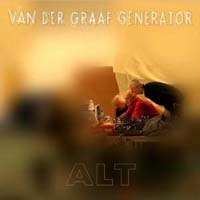 2012Alt
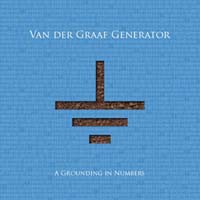 2011A Grounding in Numbers
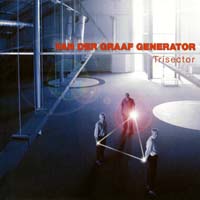 2008Trisector
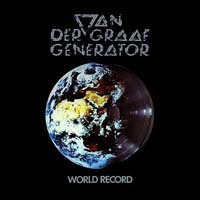 1976World Record
 1976Still Life
 1975Godbluff
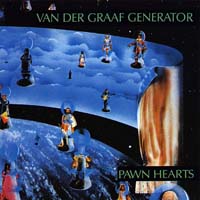 1971Pawn Hearts
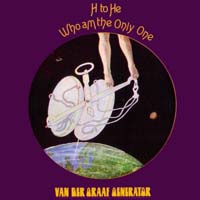 1970H to He, Who Am the Only One