

Album spotlight: Duane Eddy – The King Of Twang
The King Of Twang- Album Overview
"The King Of Twang," released in 1963, is a seminal album by American guitarist Duane Eddy, whose innovative sound helped shape the landscape of rock and roll. A pioneer of the "twang" guitar sound, Eddy's style is characterized by his deep, reverberated tones and inventive use of space, which has influenced countless artists across genres. The album was released under the RCA Victor label, a significant platform that played a crucial role in popularizing rock music during the early 1960s.
The album features a collection of instrumental tracks that showcase Eddy's signature guitar work, backed by a tight ensemble of musicians, including the renowned recording engineer Lee Hazlewood, who collaborated with Eddy on multiple projects. The recording sessions took place in Los Angeles, where Eddy's sound was honed to perfection, blending elements of rockabilly, country, and pop.
Singles from this album, such as "Peter Gunn" and "Rebel Rouser," became hits, further cementing Eddy's status as a rock and roll icon. "The King Of Twang" not only highlights his distinctive style but also reflects the cultural zeitgeist of the 1960s, a period marked by experimentation and the fusion of musical genres. Eddy's work transcended regional styles, paving the way for future generations of guitarists, and contributing to the development of surf rock and instrumental rock music.
Review
The album "The King Of Twang" is a masterclass in instrumental rock, effortlessly blending catchy melodies with Eddy's signature twangy guitar riffs. Each track is a testament to his technical prowess and unique ability to evoke emotion without lyrics. The sound is both bold and spacious, with production techniques that capture the essence of the early '60s while remaining timeless. The arrangements are tight, featuring a mix of rhythm and lead guitars that create an infectious energy throughout the album.
While the album primarily focuses on instrumental tracks, it still manages to convey a narrative through its melodies. Songs like "Rebel Rouser" are imbued with a sense of youthful rebellion, while "Peter Gunn" showcases a more cinematic quality, reflecting Eddy's ability to craft a mood. The artistic vision behind "The King Of Twang" is clear: to create music that resonates with a wide audience, transcending the limitations of genre and language. Eddy's guitar work is both innovative and accessible, making this album a significant contribution to the rock and roll canon.
Highlights
- Innovative guitar work that defined the "twang" sound.
- Cinematic quality of tracks like "Peter Gunn."
- Timeless appeal that resonates with both vintage and contemporary audiences.
Weak points
- Lack of vocal tracks may limit appeal to some listeners.
- Some tracks may feel repetitive in structure.
- Production style may seem dated to modern ears.
Overall evaluation
"The King Of Twang" stands as a pivotal album in Duane Eddy's discography and in the evolution of rock music. Its infectious melodies and groundbreaking guitar work ensure its place in music history.
Personal rating: 8/10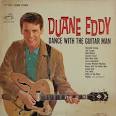 2001Guitar Man
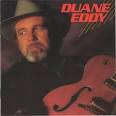 1987Duane Eddy