

Breaking down the themes in Dance With The Guitar Man by Duane Eddy
Dance With The Guitar Man- Album Overview
"Dance With The Guitar Man" is a seminal album by the American rock and roll guitarist Duane Eddy, released in 1963 under the label RCA Victor. Known for his unique twangy guitar sound, Eddy's music played a pivotal role in shaping the instrumental rock genre. This album is a collection of vibrant tracks that blend rock, pop, and country influences, showcasing Eddy's distinctive style. The album was produced by the legendary Lee Hazlewood, who was instrumental in crafting the lush arrangements that accompany Eddy's guitar work.
The album features a total of 11 tracks, including the hit single "The Lonely One," which demonstrates Eddy's knack for melody and rhythm. Collaborators on this project included renowned session musicians who contributed to its rich textures. The recording sessions took place in Hollywood, reflecting the vibrant music scene of the early '60s. Eddy's sound, characterized by his use of reverb and vibrato, was influential during this period, marking a shift in popular music towards more guitar-centric compositions.
"Dance With The Guitar Man" not only solidified Duane Eddy's place in rock history but also contributed to the broader cultural landscape of the 1960s, where guitar-driven music began to dominate the charts. The album is a testament to the power of instrumental music in a time when vocal tracks were prevalent, allowing listeners to connect with the emotive quality of the guitar.
Review
The sound of "Dance With The Guitar Man" is a delightful exploration of melody and rhythm, defined by Eddy's innovative guitar techniques. His instrumental prowess shines through in tracks like "The Lonely One" and "Mashed Potato," where his signature twang captures the essence of the early rock and roll spirit. The album's production quality, thanks to Hazlewood's keen ear, allows each guitar riff to resonate, pulling listeners into a danceable groove. While the album lacks lyrical depth—being predominantly instrumental—it compensates with infectious melodies that invite listeners to dance along.
The artistic vision behind this album reflects a blend of rockabilly and surf music influences, making it a cornerstone of Eddy's discography. Each track offers a unique feel, yet they all share a common thread of upbeat energy and catchy hooks that exemplify the early '60s music scene. It's a celebration of the guitar as a lead instrument, encouraging audiences to appreciate the artistry behind instrumental rock.
Highlights
- Duane Eddy's signature twangy guitar sound is captivating and unique.
- The production quality is top-notch, with lush arrangements enhancing the listening experience.
- The album features memorable melodies that encourage movement and engagement.
Weak points
- The lack of lyrics may limit appeal for some listeners who prefer vocal-driven music.
- Some tracks might feel repetitive in structure, lacking dynamic variation.
- Not all songs achieve the same level of catchiness, leading to a few weaker moments.
Overall evaluation
"Dance With The Guitar Man" is an essential listen for fans of instrumental rock and a testament to Duane Eddy's influential sound. While it may not resonate with everyone due to its instrumental nature, its cultural significance and musical craftsmanship are undeniable.
Personal rating: 8/10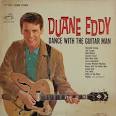 2001Guitar Man
 1987Duane Eddy