

Is The Jungle Room Sessions Elvis Presley's best work yet?
The Jungle Room Sessions- Album Overview
The Jungle Room Sessions, released in 1976, represents a significant chapter in Elvis Presley’s storied career. This collection features recordings made in the Jungle Room of his Graceland mansion, a home studio that has become legendary in its own right. The album was released by RCA Records and comprises a mix of genres, primarily rock, pop, and country, showcasing Elvis’s versatility as an artist. The sessions took place in October 1976, during a period when Elvis was grappling with personal challenges, yet his passion for music remained undiminished.
Collaborators on this album include notable musicians such as guitarist James Burton and bassist Jerry Scheff, who contributed to the rich sound that characterizes the tracks. The production was handled by Felton Jarvis, who played a crucial role in shaping the sonic landscape of the recordings. The album features a mix of original songs and covers, including tracks like “Hurt” and “Moody Blue,” both of which highlight Elvis’s emotional delivery and vocal prowess. The Jungle Room Sessions is particularly significant as it showcases Elvis's ability to convey deep emotion in his music, a hallmark of his artistic vision.
The cultural significance of this album cannot be overstated. It reflects the later years of Elvis’s career, a time marked by both personal struggles and musical experimentation. The recordings capture the essence of a man who, despite facing adversity, continued to innovate and resonate with fans. This album stands as a testament to Elvis's enduring influence in the music world, underscoring his legacy as a pioneer in popular music.
Review
The Jungle Room Sessions offers a unique listening experience, blending Elvis’s signature style with introspective lyricism. The production captures an intimate atmosphere, allowing listeners to feel as though they are part of the recording process. Elvis's vocals are raw and powerful, particularly on tracks like “Hurt,” where he delivers a haunting performance that speaks to his emotional state. The instrumentation is rich, with a blend of traditional rock elements and country influences, showcasing the diversity of his musical capabilities.
Lyrically, the album explores themes of love, loss, and longing, reflective of Elvis's own life experiences at the time. His ability to connect with the audience through these sentiments is evident, making the tracks resonate on a personal level. The artistic vision behind The Jungle Room Sessions is one of authenticity and vulnerability, revealing a side of Elvis that is often overshadowed by his earlier, more commercial successes.
Highlights
- Emotionally charged vocal performances that showcase Elvis's range.
- A unique and intimate production style that captures the essence of the Jungle Room.
- Diverse track selection that blends rock, pop, and country influences.
Weak points
- Some tracks may feel less polished compared to earlier works.
- Limited commercial appeal due to the introspective nature of the songs.
- The album lacks the cohesive feel of a fully produced studio album.
Overall evaluation
The Jungle Room Sessions is a poignant reflection of Elvis Presley's later years, characterized by emotional depth and musical exploration. While it may not have the same commercial impact as his earlier masterpieces, it stands as a significant work that showcases the artist's vulnerability and talent. For fans and collectors, this album is an essential piece of the Elvis legacy.
Personal rating: 8/10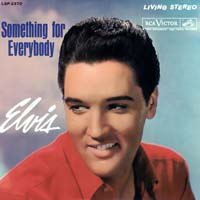 1961Something for Everybody
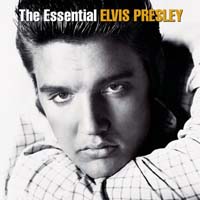 1956Elvis Presley
 1956Elvis