

Why Elvis Presley's Promised Land matters
Promised Land- Album Overview
Released in 1975, "Promised Land" is an album by the iconic Elvis Presley, showcasing a blend of rock, country, and gospel influences that demonstrate his enduring versatility as an artist. This was one of the last studio albums he recorded before his untimely death in 1977. The album was released under RCA Records and was produced by Elvis and his longtime collaborator, Felton Jarvis, who had a significant role in shaping Presley's sound during the later years of his career. The recording took place primarily at the RCA Studio C in Hollywood, California.
The album features 10 tracks, with standout songs such as the title track "Promised Land," a cover of Chuck Berry's "Brown Eyed Handsome Man," and "Help Me." The title track, written by Chuck Berry and others, showcases Presley's ability to convey profound emotion through his vocals, while "Help Me" emphasizes his gospel roots. The album's sound reflects the era's musical trends, incorporating elements of Southern rock and soul, which was fitting for Elvis, who had always been at the forefront of music evolution.
"Promised Land" also achieved commercial success, peaking at No. 47 on the Billboard 200 chart and producing the hit single "My Boy," which reached No. 20 on the Billboard Hot 100. The album is significant not just for its musical content but also for capturing Elvis's state of mind during a transitional phase in his life. The themes of yearning, hope, and redemption resonate powerfully, reflecting both personal and broader cultural narratives of the 1970s.
Review
The sound of "Promised Land" is a rich tapestry that highlights Elvis's unmistakable vocal prowess. The album opens with the title track, which sets an uplifting tone, combining a driving rhythm with heartfelt lyrics. Elvis's delivery is passionate, showcasing his ability to infuse personal emotion into every note. The production quality is high, a testament to Jarvis's skill in melding different genres while ensuring that Elvis's voice remains the focal point.
Lyrically, the songs often explore themes of aspiration and struggle, aligning with the cultural context of the mid-1970s, a time when many Americans were seeking hope amidst societal changes. Tracks like "Help Me" and "My Boy" dive deep into personal introspection, revealing Elvis's vulnerability and depth as an artist. However, while the album boasts a solid lineup of songs, some tracks feel slightly dated by today's standards, leading to a mixed overall impact.
Highlights
- Strong vocal performances that showcase Elvis's emotional range.
- Engaging production that blends rock, country, and gospel influences.
- Significant cultural relevance, reflecting the social climate of the 1970s.
Weak points
- Some tracks may feel less dynamic compared to earlier works.
- Production choices could be perceived as overly polished for some fans.
- Limited commercial impact compared to Elvis's earlier albums.
Overall evaluation
"Promised Land" stands as a poignant reminder of Elvis Presley's enduring talent, encapsulating both his struggles and his artistic evolution. While it may not reach the heights of his earlier classics, the album offers a thoughtful exploration of themes that resonate with many. It is a worthwhile listen for fans and a significant piece in the Elvis legacy.
Personal rating: 7/10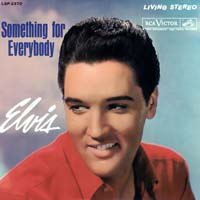 1961Something for Everybody
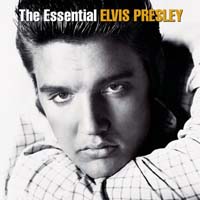 1956Elvis Presley
 1956Elvis