The Birds, The Bees, & The Monkees- Album Overview
The Birds, The Bees, & The Monkees is the fourth studio album by the iconic American rock band The Monkees, released on October 21, 1968, under Colgems Records. This album marked a significant shift in the band's musical direction, showcasing a more mature sound while still maintaining the playful essence that characterized their earlier work. The production of the album was handled by the band members, with notable contributions from musicians such as Carole King and Gerry Goffin, who crafted some of the album's standout tracks.
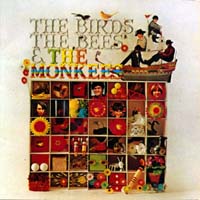
The album features a diverse array of musical styles, including pop, rock, and psychedelic influences, reflecting the evolving landscape of 1960s music. Notable singles from the album include "Daydream Believer," which became one of The Monkees' biggest hits, and "Valleri," both of which highlight the band's knack for catchy melodies and relatable lyrics. The album's cover art also plays into the whimsical themes, featuring vibrant colors and playful imagery that captured the spirit of the era.
Culturally, The Birds, The Bees, & The Monkees represents the transition from the band's manufactured image to a more authentic artistic expression. This transition is evident in the lyrical content, which tackles themes of love, longing, and the complexities of relationships, resonating with the youth of the time. The album remains a pivotal piece in The Monkees' discography, illustrating their growth as musicians and their impact on the pop culture landscape of the late 1960s.
Review
The Birds, The Bees, & The Monkees is a compelling blend of catchy hooks and introspective lyrics, showcasing the band's evolution from a television-created group to a legitimate musical entity. The album opens with "The Porpoise Song," a psychedelic gem that sets a dreamlike tone, intertwining surreal imagery with a haunting melody. Tracks like "Daydream Believer" and "I'll Be Back Up on My Feet" exemplify the band's ability to fuse upbeat instrumentation with poignant storytelling, reflecting the complexities of love and life.
Musically, the album is rich and varied, featuring lush arrangements and a mix of genres that keep the listener engaged. The production is polished yet retains a sense of organic warmth, a testament to the collaborative efforts of the band and outside songwriters. Lyrically, the themes oscillate between lightheartedness and deeper emotional exploration, which gives the album a layered quality that invites repeated listens.
Overall, The Birds, The Bees, & The Monkees stands out not just as an album of catchy tunes but as a reflection of a band coming into its own, making it a significant milestone in The Monkees' legacy.
Highlights
- The infectious melodies of "Daydream Believer" that capture the essence of 1960s pop.
- The eclectic mix of musical styles that showcase the band's versatility.
- The introspective lyrics that provide a deeper emotional resonance compared to earlier works.
Weak points
- Some tracks may feel dated to contemporary listeners unfamiliar with 1960s pop.
- The production can occasionally overshadow the raw talent of the individual band members.
- Not all songs have the same level of lyrical depth, with a few feeling more like filler tracks.
Overall evaluation
The Birds, The Bees, & The Monkees is a significant album that marks a turning point for The Monkees, showcasing their growth as artists while delivering memorable songs that stand the test of time. It remains a vital part of their catalog and a reflection of the era's musical landscape.
Personal rating: 8/10


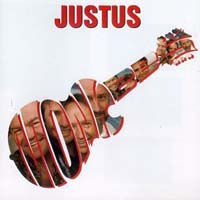 1996Justus
 1987Pool It!
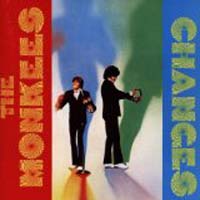 1970Changes
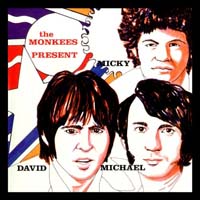 1969The Monkees Present
 1969Instant Replay
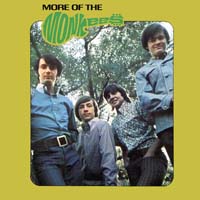 1967More of the Monkees
 1967Headquarters
 0Pisces, Aquarius, Capricorn
 0The Birds, the Bees