

Listening to 33 1/3 Revolutions Per Monkee by The Monkees
33 1/3 Revolutions Per Monkee- Album Overview
"33 1/3 Revolutions Per Monkee" is an album by The Monkees, released in 1970 under the Colgems label. This album serves as a soundtrack to a television special of the same name, which showcased the band's attempt to break away from their image as a prefab pop group. The Monkees, consisting of Micky Dolenz, Davy Jones, Michael Nesmith, and Peter Tork, produced this work during a time of significant transition in their careers. The album features a blend of psychedelic rock, pop, and country influences, reflecting the era's diverse musical landscape.
Notably, the album includes tracks such as "D.W. Washburn" and "It's Nice to Be with You," both of which highlight the group's evolving sound and artistic ambitions. Produced by the band along with collaborators like Jeff Barry and Neil Diamond, the album is characterized by its experimental approach, including spoken word segments and unconventional song structures. The Monkees sought to assert their artistic identity, moving away from the constraints of their earlier commercial successes.
While "33 1/3 Revolutions Per Monkee" did not achieve the same level of commercial success as previous albums, it remains significant for its boldness and ambition. It captures a moment of cultural transition in the late 1960s, when popular music began to embrace more complex themes and sounds. The album serves as a testament to The Monkees' desire to be taken seriously as artists, rather than merely as a manufactured band. It stands as a marker of their legacy, showcasing their willingness to experiment with their music and image.
Review
The sound of "33 1/3 Revolutions Per Monkee" is a rich tapestry of musical influences, blending elements of rock, pop, and country with a distinctly psychedelic edge. The production is lush, with layered harmonies and innovative arrangements that push the boundaries of what was expected from a pop band at the time. Tracks like "D.W. Washburn" feature a catchy melody juxtaposed with a narrative that speaks to the complexities of fame and the search for authenticity. The lyrics throughout the album reflect introspective themes, showcasing the band's growth as songwriters and musicians.
Artistically, the album embodies the spirit of experimentation that defined the late 1960s, with its eclectic mix of styles and influences. The decision to include spoken word segments and unconventional song structures demonstrates a bold artistic vision, though it may alienate some listeners accustomed to more traditional pop formats. Overall, "33 1/3 Revolutions Per Monkee" is a commendable effort that highlights The Monkees' willingness to take risks and explore new musical territory, even if it deviates from their earlier, more commercial sound.
Highlights
- Innovative production that blends various musical styles.
- Strong lyrical content reflecting personal and cultural themes.
- A bold artistic statement showcasing the band's desire for creative freedom.
Weak points
- Less commercial appeal compared to earlier albums, which may deter casual fans.
- Some tracks may feel disjointed due to the experimental nature of the album.
- The album's unique structure may not resonate with all listeners.
Overall evaluation
"33 1/3 Revolutions Per Monkee" is an ambitious and experimental album that marks a significant point in The Monkees' career, reflecting their growth as artists. While it may not be their most commercially successful release, it remains a noteworthy exploration of creative freedom and musical diversity.
Personal rating: 7/10 2018Christmas Party
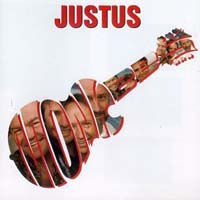 1996Justus
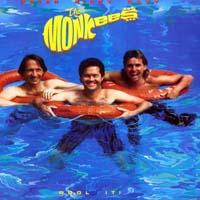 1987Pool It!
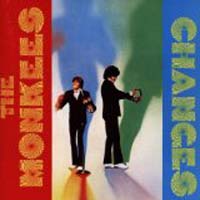 1970Changes
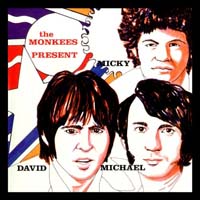 1969The Monkees Present
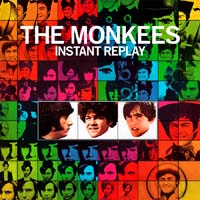 1969Instant Replay
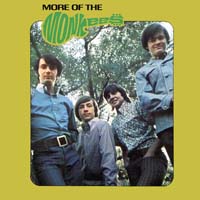 1967More of the Monkees
 1967Headquarters
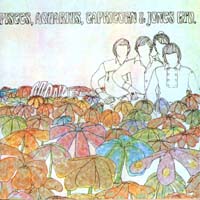 0Pisces, Aquarius, Capricorn
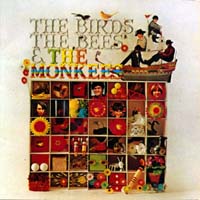 0The Birds, the Bees