

Last Train to Clarksville: discovering The Monkees's artistry
Last Train to Clarksville- Album Overview
Released on August 16, 1966, "Last Train to Clarksville" marks the debut album of The Monkees, a band created for a television series of the same name. The album was released under Colgems Records, a label formed specifically for the group, which was a product of the burgeoning pop culture phenomenon of the 1960s. The Monkees were initially conceived as a fabricated band to emulate The Beatles' success, but they soon developed into a genuine musical force.
The album was produced by the prolific songwriting duo Tommy Boyce and Bobby Hart, who crafted catchy, radio-friendly tunes that captured the spirit of the era. The standout track, "Last Train to Clarksville," written by Boyce and Hart, became the group's first single, reaching number one on the Billboard Hot 100 chart. The album includes other notable songs such as "Take a Giant Step" and "The Kind of Girl I Could Love," showcasing a blend of pop, rock, and folk influences.
Recording took place primarily at RCA Victor Studios in Hollywood, incorporating innovative production techniques that were cutting-edge for the time. The Monkees, consisting of Micky Dolenz, Davy Jones, Michael Nesmith, and Peter Tork, initially did not play their own instruments on this album, a point of contention that would later shape their artistic direction. However, their harmonies and charisma shone through the polished production.
The cultural significance of "Last Train to Clarksville" extends beyond its commercial success. It represents a pivotal moment in the intersection of television and music, highlighting the shifting landscape of pop culture. The Monkees not only captured the zeitgeist of the 1960s but also laid the groundwork for future bands to explore their artistic identities beyond manufactured images.
Review
"Last Train to Clarksville" is an infectious blend of upbeat melodies and clever lyrics that encapsulate the youthful exuberance of the 1960s. The production is polished yet vibrant, with jangly guitars and catchy choruses that make it hard to resist. The album opens with the titular track, which expertly sets the tone with its memorable hook and narrative about longing and adventure.
Lyrically, the songs often reflect themes of love, exploration, and youthful escapism, resonating with a generation searching for identity in a rapidly changing world. Micky Dolenz's vocals on tracks like "She" and "The Kind of Girl I Could Love" bring a playful charm, while Davy Jones' smooth delivery adds a romantic touch to the ballads.
Despite its manufactured origins, the album showcases glimpses of the band's artistic potential. The Monkees would eventually take greater control over their music, evolving into a band that could write and perform their own material, but "Last Train to Clarksville" remains a delightful reminder of their pop roots and the era's cultural landscape.
Highlights
- Catchy, memorable songwriting that defined an era.
- Strong vocal performances that showcase the band's charm.
- Innovative production techniques that were ahead of their time.
Weak points
- Initial lack of creative control over their music.
- Some tracks may feel formulaic by today's standards.
- The manufactured nature of the band can overshadow their artistry.
Overall evaluation
"Last Train to Clarksville" stands as a significant entry in 1960s pop music, capturing the essence of a unique moment in cultural history. While it may not fully represent the artistic evolution that would follow, it remains a joyful and catchy debut that laid the foundation for The Monkees' future endeavors.
Personal rating: 7/10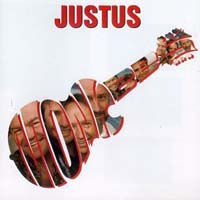 1996Justus
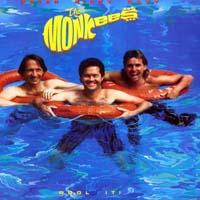 1987Pool It!
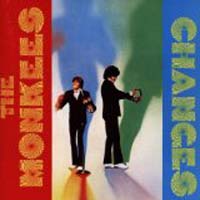 1970Changes
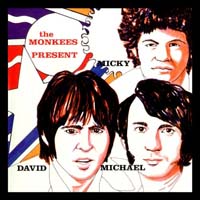 1969The Monkees Present
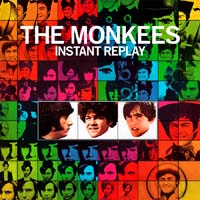 1969Instant Replay
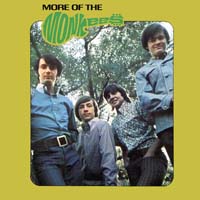 1967More of the Monkees
 1967Headquarters
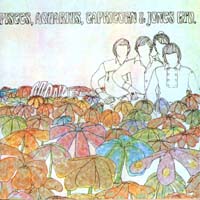 0Pisces, Aquarius, Capricorn
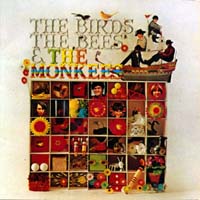 0The Birds, the Bees