

Breaking down the themes in That’s The Way It Is by Elvis Presley
That’s The Way It Is- Album Overview
Released on November 10, 1970, "That’s The Way It Is" is a pivotal album in Elvis Presley’s discography, showcasing his versatility as an artist. The album was produced by Elvis and his long-time collaborator, Felton Jarvis, and it was released under the RCA Victor label. This project was recorded during a time when Elvis was transitioning into a more mature sound, incorporating elements of pop, rock, gospel, and country. The album features a combination of live recordings from his Las Vegas performances and studio tracks, allowing listeners to experience the electrifying energy of his concerts.
Among the standout tracks are the iconic title song "That’s The Way It Is," "You Don’t Have to Say You Love Me," and "I’ve Lost You." Notably, the album also includes a cover of the hit "Sweet Caroline," which was popularized by Neil Diamond. The release was accompanied by a documentary film of the same name, which further enhanced its cultural significance. The album not only solidified Elvis's status as the King of Rock and Roll but also highlighted his ability to adapt to the changing musical landscape of the early 1970s.
Musically, "That’s The Way It Is" features a rich orchestral arrangement and intricate vocal harmonies, showcasing Elvis's powerful voice and charisma. The album reached No. 21 on the Billboard 200 chart and was certified Gold, reflecting its commercial success. This album represents a significant chapter in Elvis's career, blending live performance excitement with polished studio production, thus appealing to both long-time fans and new audiences alike.
Review
Each track on this album tells a story, whether it’s about love, loss, or resilience. The title track, "That’s The Way It Is," encapsulates a sense of acceptance and reflection, making it relatable to listeners. Elvis's ability to convey deep emotion through his singing is evident throughout the record, creating a connection that resonates beyond the music itself.
Musically, the album is a blend of upbeat numbers and poignant ballads, showcasing Elvis's range and adaptability. The production quality is top-notch, with Felton Jarvis capturing the essence of Elvis's live performances while also allowing for the polished sound of studio recordings. This balance contributes to the overall impact of the album, making it a significant part of Elvis’s legacy.
Highlights
- Elvis's powerful vocal performances throughout the album.
- Seamless blend of live recordings and studio tracks.
- Emotionally resonant lyrics that connect with listeners.
Weak points
- Some tracks may feel overproduced compared to earlier, rawer works.
- Occasional inconsistency in pacing between live and studio tracks.
- Lacks the raw energy characteristic of earlier Elvis recordings.
Overall evaluation
"That’s The Way It Is" is a significant entry in Elvis Presley’s catalog, showcasing his evolution as an artist while maintaining his core appeal. The album’s blend of live and studio tracks provides a comprehensive look at his artistry during a transformative period. It stands as a testament to his ability to adapt and thrive in the changing musical landscape of the 1970s.
Personal rating: 8/10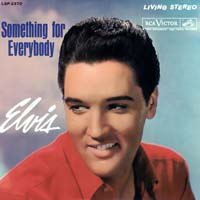 1961Something for Everybody
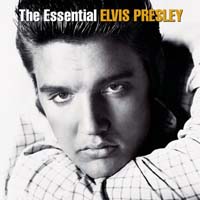 1956Elvis Presley
 1956Elvis