
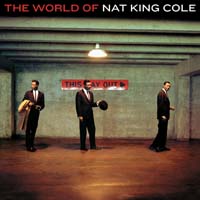
Tell Me All About Yourself: exploring the world of Nat King Cole
Tell Me All About Yourself- Album Overview
"Tell Me All About Yourself" is an album by the legendary American jazz and pop singer-pianist Nat King Cole, released in 1956 under the Capitol Records label. This album is significant as it showcases Cole's smooth vocal style and remarkable ability to convey emotion through song, a hallmark of his enduring legacy in music. The album features a collection of tracks that blend jazz, pop, and traditional balladry, reflecting the diverse influences that shaped Cole's musical career. The recording sessions brought together some of the finest musicians of the era, with arrangements that highlighted Cole's lush vocal delivery. Notable collaborators included the talented arranger Nelson Riddle, who was instrumental in crafting the sophisticated orchestral backgrounds that complemented Cole's voice. The album includes memorable tracks such as "Tell Me All About Yourself," "The Very Thought of You," and "Ain't Misbehavin'," which exemplify the romantic and introspective themes prevalent in Cole's work. "Tell Me All About Yourself" was released at a time when Cole was already a well-established figure in the music industry, having gained fame through his earlier hits and his pioneering role in breaking racial barriers in the entertainment world. The album not only showcases his artistic evolution but also serves as a testament to the cultural shift in America during the 1950s, where jazz began to merge more into the mainstream pop scene, allowing artists like Cole to reach wider audiences. This album remains a beloved piece of his discography, cherished by fans and critics alike for its timeless appeal and the quality of its production.
Review
The sound of "Tell Me All About Yourself" is quintessentially Nat King Cole, characterized by his velvety baritone and sophisticated phrasing that effortlessly draws listeners into each song's narrative. The album exhibits a blend of jazz elements with pop sensibilities, making it accessible yet refined. Cole's interpretations of romantic ballads reveal his deep emotional connection to the lyrics, allowing listeners to feel the sentiments he conveys. The production quality is impeccable, with lush orchestration that enhances Cole's vocal delivery without overwhelming it. Each track is carefully arranged to highlight the nuances of Cole’s voice, showcasing his ability to navigate between smooth crooning and dynamic musicality. Lyrically, the songs explore themes of love, longing, and introspection, resonating with audiences who appreciate the classic romantic ideals of the era. While some may argue that the album adheres to the conventions of its time, it remains a testament to Cole's artistry and his ability to infuse traditional genres with his unique style. Overall, "Tell Me All About Yourself" is an exemplary representation of Nat King Cole's musical prowess and his lasting impact on the landscape of American music.
Highlights
- Nat King Cole's smooth and emotive vocal style shines throughout the album.
- Exceptional orchestral arrangements that complement and enhance the vocal performances.
- A well-curated selection of romantic and introspective songs that resonate deeply with listeners.
Weak points
- The album may feel dated to some contemporary listeners, lacking modern production techniques.
- Some tracks may not stand out compared to Cole's more famous hits.
- Occasional predictability in song structures typical of the era could detract from the listening experience.
Overall evaluation
"Tell Me All About Yourself" stands as a significant entry in Nat King Cole's discography, showcasing his exceptional talent and the timeless quality of his music. While it may not feature the most groundbreaking compositions, its charm lies in its classic execution and heartfelt delivery. The album is a must-listen for fans of jazz and pop standards, providing a glimpse into the artistry of one of the genre's most beloved figures.
Personal rating: 8/10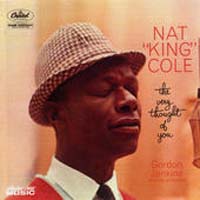 1958The Very Thought of You
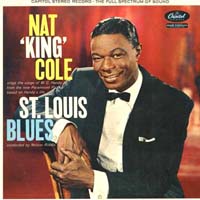 1958St. Louis Blues
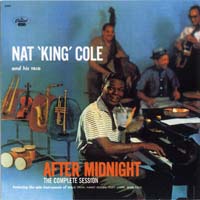 1957After Midnight