
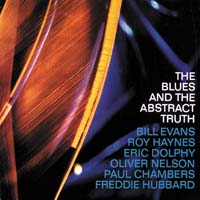
Inside Skull Session by Oliver Nelson
Skull Session- Album Overview
Released in 1961, "Skull Session" is a pivotal jazz album by the talented arranger and saxophonist Oliver Nelson. The album was released under the Impulse! Records label, known for its commitment to innovative jazz compositions. Nelson, who had already made a name for himself with his work as an arranger and performer, crafted this album during a prolific period in his career. The recording sessions took place in New York City and featured a stellar lineup of musicians, including notable artists like Eric Dolphy, Roy Haynes, and Freddie Hubbard, showcasing the collaborative spirit of the jazz scene at the time.
"Skull Session" is characterized by its innovative approach to jazz composition, blending traditional big band elements with modern improvisation. The album consists of six tracks, including standout pieces like "The Stolen Moments" and "Sixth Sense." The title track, "Skull Session," offers a vivid illustration of Nelson's ability to weave intricate arrangements with dynamic solos, creating a rich tapestry of sound that was ahead of its time.
Culturally, the album reflects the shifting landscape of jazz in the early 1960s, moving away from the constraints of bebop towards a more avant-garde exploration of sound. The singles released from this album helped establish Nelson as a significant figure in jazz, influencing generations of musicians. His work on "Skull Session" not only demonstrates his prowess as an arranger but also serves as a testament to the innovative spirit of jazz during this era.
Review
Oliver Nelson's "Skull Session" is an impressive showcase of his artistic vision, melding intricate arrangements with powerful improvisation. The album opens with the title track, where Nelson's saxophone sets a commanding tone, immediately drawing the listener into his creative world. The interplay between the musicians is electric, especially in tracks like "The Stolen Moments," where Eric Dolphy's flute dances seamlessly with Nelson's arrangements.
Musically, the album balances complexity with accessibility, making it a treasure for both jazz aficionados and casual listeners alike. The compositions are rich and layered, inviting multiple listens to fully appreciate the nuances. Lyrically, while instrumental, the album conveys emotion and storytelling through its melodies and the musicians' improvisation. Nelson's artistry shines through as he guides the ensemble with a deft hand, ensuring that each musician has the space to express themselves while contributing to the collective sound.
Highlights
- Innovative arrangements that blend traditional jazz with modern influences.
- Exceptional performances by a stellar cast of musicians, particularly Eric Dolphy and Freddie Hubbard.
- A rich sound that invites repeated listens, revealing new layers each time.
Weak points
- The complex arrangements may be challenging for listeners unfamiliar with jazz.
- Some tracks may feel lengthy or meandering for those preferring more concise compositions.
- Lack of vocal tracks may limit appeal for mainstream audiences.
Overall evaluation
Oliver Nelson's "Skull Session" is a significant contribution to the jazz canon, showcasing his skill as both an arranger and performer. It captures a transformative moment in jazz history, merging innovation with tradition. Its rich textures and engaging musicianship make it a must-listen for any jazz enthusiast.
Personal rating: 8.5/10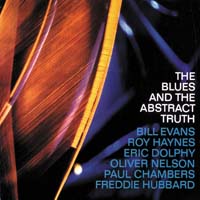 1961The Blues and the Abstract Truth