
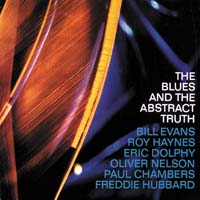
Exploring the sound of Oliver Nelson: More Blues and the Abstract Truth
More Blues and the Abstract Truth- Album Overview
Released in 1961, "More Blues and the Abstract Truth" is a significant album in the jazz genre, showcasing the innovative compositional and arranging skills of Oliver Nelson. This album follows his highly acclaimed debut, "Blues and the Abstract Truth," and is released under the prestigious Impulse! label. The recording took place in New York City and features an impressive lineup of musicians, including jazz luminaries such as Eric Dolphy on alto saxophone and bass clarinet, Roy Haynes on drums, and Henry Grimes on bass. Nelson himself plays the tenor saxophone and also contributes arrangements that blend blues, hard bop, and avant-garde elements.
The album consists of seven tracks, with notable compositions like "The Day After," "Stolen Moments," and "Hoe-Down," which reflect Nelson's ability to weave complex musical narratives while remaining accessible. Each track highlights the improvisational prowess of the ensemble, with Dolphy's unique sound complementing Nelson's rich textures. The production on this record is notably crisp, allowing the intricate interplay between instruments to shine through and creating a captivating listening experience.
"More Blues and the Abstract Truth" is culturally significant as it captures a transitional period in jazz during the early 1960s, when musicians began to experiment more with form and structure. The album's mixture of blues influences with modern jazz elements not only showcases Nelson's artistry but also reflects the broader evolution of jazz during this era. Singles like "Stolen Moments" have since become jazz standards, indicating the lasting impact of this work on subsequent generations of musicians.
Review
Oliver Nelson's "More Blues and the Abstract Truth" stands as a brilliant testament to the fusion of blues and modern jazz. The album opens with an energetic flair, immediately drawing listeners into its vibrant soundscape. Nelson's arrangements are both sophisticated and accessible, with each track providing a unique exploration of rhythm and melody. The interplay between the musicians is particularly noteworthy; the synergy between Nelson's tenor saxophone and Dolphy’s avant-garde stylings creates an intriguing dialogue that elevates the music beyond conventional boundaries.
While the compositions are rooted in the blues tradition, they also push towards abstraction, inviting listeners to engage with the music on multiple levels. The album's use of space and silence is equally significant, allowing moments of tension and release that enhance the overall experience. However, some may find that the experimental nature of certain tracks can be challenging, as they diverge from the more straightforward jazz forms. Nevertheless, this adventurous spirit is part of what makes the album compelling, reflecting Nelson’s artistic vision and willingness to innovate.
Highlights
- Innovative arrangements that blend blues with modern jazz elements.
- Outstanding performances from a stellar lineup of musicians.
- The lasting cultural impact, with tracks like "Stolen Moments" becoming jazz standards.
Weak points
- Some tracks may challenge traditional jazz listeners with their abstract qualities.
- The album's experimental nature might not appeal to all audiences.
- Limited commercial singles compared to more mainstream jazz releases of the era.
Overall evaluation
In summary, "More Blues and the Abstract Truth" is a landmark album that showcases Oliver Nelson's exceptional talent as a composer and musician. Its innovative blend of blues and modern jazz continues to resonate with listeners and musicians alike, solidifying Nelson's legacy in the jazz canon.
Personal rating: 9/10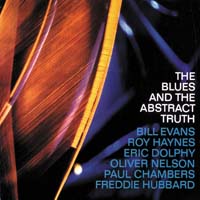 1961The Blues and the Abstract Truth