ALBUM NOTESListening to Shebaba by Bola Sete-Shebaba
Album overview
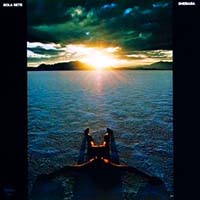
Bola Sete, born in Brazil in 1923, is renowned for his extraordinary guitar skills and blending of Brazilian music with jazz elements. His album "Shebaba," released in 1964 under the label Fantasy Records, showcases his unique style characterized by intricate guitar melodies and rhythmic complexity. The album features a variety of tracks that highlight Sete's ability to fuse traditional Brazilian sounds, particularly bossa nova, with jazz improvisation. Among the notable tracks are "Samba de Uma Nota Só," showcasing his virtuosic playing, and "Tico Tico," which reveals his deep understanding of Brazilian folklore.
The recording sessions took place in the vibrant atmosphere of San Francisco, where Sete was based during the 1960s. Collaborators on the album include renowned musicians who contributed to the rich soundscapes, allowing Sete's guitar to shine while blending seamlessly with the accompanying instruments. The cultural significance of "Shebaba" lies in its role in popularizing Brazilian music in the United States during a time when bossa nova was gaining international acclaim. The album not only reflects Sete's prowess as a guitarist but also serves as a bridge between Brazilian and American music traditions, enriching the jazz landscape of the era.
Review
Bola Sete's "Shebaba" is an immersive auditory experience that captures the essence of Brazilian music while infusing it with jazz sensibilities. The album opens with a vibrant energy, immediately engaging listeners with its rhythmic patterns and melodic intricacies. Sete's guitar work is nothing short of mesmerizing, his intricate fingerpicking and fluid runs create a tapestry of sound that is both soothing and invigorating.
The arrangement of each track showcases a seamless flow, allowing for natural transitions between the diverse musical styles present. The interplay between Sete's guitar and the supporting musicians creates an atmosphere that feels both intimate and expansive. This artistic vision reflects not only Sete's technical skill but also his deep connection to the cultural roots of his music. The album's production quality, typical of the era, lends a warm, inviting sound that enhances the listening experience.
In terms of lyrical content, while instrumental music doesn't have traditional lyrics, the emotional narrative conveyed through Sete's guitar speaks volumes, inviting listeners to interpret the music in their own way. Overall, "Shebaba" stands as a testament to Bola Sete's artistry, showcasing his ability to transcend cultural boundaries through the universal language of music.
Highlights
- Intricate and masterful guitar work that captivates the listener.
- A seamless blend of Brazilian rhythms and jazz influences.
- Culturally significant in bridging Brazilian music with American jazz traditions.
Weak points
- Some tracks may feel repetitive for listeners unfamiliar with bossa nova.
- The album's instrumental nature might not appeal to those seeking lyrical content.
- Limited promotion at the time of release may have hindered wider recognition.
Overall evaluation
"Shebaba" is a remarkable album that highlights Bola Sete's exceptional talent and cultural significance in the music scene of the 1960s. It remains an essential listen for anyone interested in the fusion of Brazilian music and jazz.
Personal rating: 8/10
```

 2019Bossa Nova!!
 1999Ocean Memories
 0Vince