ALBUM NOTESUnpacking Bola Sete's Carnival In Rio
Carnival In Rio- Album Overview
Bola Sete's "Carnival In Rio," released in 1966, is a landmark album that captures the essence of Brazilian bossa nova and samba through the lens of the guitar virtuoso. The album was produced under the Verve Records label, a significant platform for jazz and Brazilian music during the 1960s. Sete, whose real name is Robert de Oliveira, was known for his intricate guitar playing and warm, inviting melodies that resonated with both Brazilian and American audiences.
"Carnival In Rio" features a collection of tracks that celebrate the vibrant culture and rhythm of Brazil. The album includes notable compositions such as "Felicidade" and "Aquarela do Brasil," which showcase Sete's ability to blend traditional Brazilian sounds with jazz influences. Collaborators on the album include prominent musicians who contributed to its rich textures and layers. The recording sessions took place in a climate of burgeoning interest in Brazilian music, particularly in the United States, where bossa nova was gaining traction with artists like Stan Getz and João Gilberto.
The album's significance lies not only in its musicality but also in its cultural impact; it served as a bridge for American audiences to experience the warmth and complexity of Brazilian music. The single "Aquarela do Brasil," in particular, has become an anthem of Brazilian identity, further solidifying the album's legacy. "Carnival In Rio" remains a timeless piece that captures the essence of a carnival atmosphere, making it a must-listen for anyone interested in the confluence of jazz and Brazilian music.
Review
Bola Sete’s "Carnival In Rio" is a masterclass in the seamless integration of jazz and Brazilian musical traditions. The album is characterized by its melodic richness and rhythmic complexity, showcasing Sete's impressive fingerstyle guitar technique. The arrangements are lush, featuring a blend of acoustic guitar, percussion, and subtle horn sections that evoke the lively spirit of Rio's famous carnival.
Lyrically, the album embraces themes of joy, celebration, and the beauty of Brazilian landscapes, though much of the emotional depth is conveyed through the instrumentals rather than traditional lyrical storytelling. Sete's ability to evoke images of sun-drenched beaches and festive gatherings is palpable throughout the listening experience. His artistic vision is clear: to create a soundscape that transports the listener to the heart of Brazil.
The production quality is excellent, capturing the nuances of each instrument and allowing Sete's guitar to take center stage. The album flows beautifully, with transitions between tracks that feel organic and purposeful. Overall, "Carnival In Rio" is not just an album; it's an invitation to experience the vibrant culture of Brazil through music.
Highlights
- Intricate guitar work that showcases Sete's virtuosity.
- Rich arrangements that blend jazz with traditional Brazilian sounds.
- Cultural significance in introducing bossa nova to a wider audience.
Weak points
- Some tracks may feel repetitive for listeners unfamiliar with the genre.
- Lack of lyrical depth in some songs may not appeal to all audiences.
- Limited mainstream recognition compared to contemporaries like João Gilberto.
Overall evaluation
Bola Sete's "Carnival In Rio" stands as a vibrant testament to the beauty of Brazilian music, inviting listeners into a world of rhythm and celebration. Its masterful guitar work and rich cultural roots make it a timeless classic.
Personal rating: 9/10


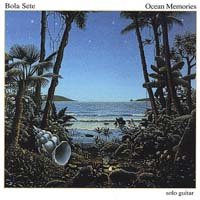 1999Ocean Memories
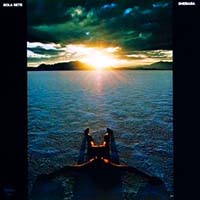 1974Shebaba
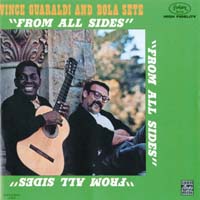 0Vince