
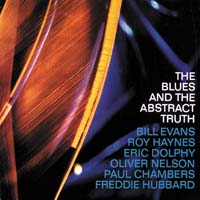
Why Oliver Nelson's Screamin' The Blues matters
Screamin' The Blues- Album Overview
Released in 1961, "Screamin' The Blues" is a seminal jazz album by the renowned saxophonist and composer Oliver Nelson. The album was released under the prestigious Impulse! label, which was instrumental in promoting cutting-edge jazz during the 1960s. This album features a mix of original compositions and arrangements by Nelson, showcasing his innovative approach to jazz music. The recording sessions took place in New York City, where Nelson collaborated with a stellar lineup of musicians, including the legendary trumpeter Freddie Hubbard, pianist McCoy Tyner, bassist Art Davis, drummer Elvin Jones, and many others. These collaborations brought a rich texture to the album, blending various styles and influences that were prominent in the jazz scene of the time.
"Screamin' The Blues" is particularly notable for its title track, which serves as a powerful statement on the emotional depth of blues music fused with modern jazz. The album also features other compelling tracks such as "The Stolen Moments" and "A World of Blues," which highlight Nelson's ability to convey complex emotions through his saxophone playing. The album's themes resonate with the cultural context of the Civil Rights Movement, reflecting the struggles and triumphs of African Americans during that era. Nelson's work not only pushed the boundaries of jazz but also contributed to the broader narrative of American music, influencing countless artists and genres that followed.
Overall, "Screamin' The Blues" remains a vital part of jazz history, celebrated for its innovative compositions and the way it encapsulates the mood of its time. The album stands as a testament to Oliver Nelson's genius and his lasting impact on the jazz landscape.
Review
Oliver Nelson's "Screamin' The Blues" offers a captivating blend of jazz and blues that showcases his exceptional talent as both a composer and a performer. The album opens with the title track, which is a powerful statement that immediately sets the tone for the rest of the collection. Nelson's saxophone work is both expressive and technically proficient, weaving in and out of the rhythm with a sense of urgency that is palpable. The arrangements are intricate yet accessible, allowing each musician to shine while maintaining a cohesive sound throughout the album.
The interplay between the musicians is one of the album's strongest aspects, with Freddie Hubbard's trumpet providing a vibrant counterpoint to Nelson's saxophone. The rhythm section, featuring the likes of Elvin Jones and McCoy Tyner, delivers a robust foundation that complements the melodic exploration of the lead instruments. The lyrics, though sparse in the traditional sense, convey a deep emotional resonance that speaks to the struggles of the blues genre while infusing it with jazz's improvisational spirit. Nelson's artistic vision is clear: he seeks to bridge the gap between two genres, creating a sound that is both unique and deeply affecting.
Highlights
- Innovative fusion of jazz and blues elements.
- Exceptional performances by a star-studded lineup of musicians.
- Emotionally resonant compositions that capture the struggles of the era.
Weak points
- Some listeners may find the experimental nature of the album challenging.
- Limited vocal contributions may leave some seeking more lyrical content.
- The production style reflects its era, which may not appeal to modern sensibilities.
Overall evaluation
Oliver Nelson's "Screamin' The Blues" is a landmark album that stands the test of time, illustrating the artist's profound understanding of jazz and blues. It remains an essential listen for anyone interested in the evolution of American music.
Personal rating: 9/10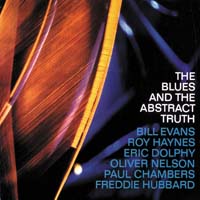 1961The Blues and the Abstract Truth