ALBUM NOTESThe evolution of Lionel Hampton in Satin Doll
Satin Doll- Album Overview
Lionel Hampton's "Satin Doll," released in 1956, marks a significant chapter in the evolution of jazz music, highlighting the virtuosity of one of its most dynamic figures. Released under the Verve Records label, the album features a blend of jazz standards that showcase Hampton's remarkable mallet skills on the vibraphone as well as his talents as a bandleader and composer. The session included notable musicians such as pianist Oscar Peterson, bassist Ray Brown, and drummer Ed Thigpen, creating a rich tapestry of sound that reflects the vibrant jazz scene of the 1950s.
"Satin Doll" features a collection of tracks that includes beloved standards like the title track "Satin Doll," composed by Duke Ellington and Billy Strayhorn, which seamlessly marries Hampton's energetic style with sophisticated melodies. This release not only exemplifies Hampton’s ability to adapt and innovate but also reinforces his role in bringing jazz into a more mainstream consciousness during the era. The album was well-received and contributed to Hampton’s legacy as a pioneering figure in the genre. Its blend of swing, bebop, and blues highlights the cultural significance of jazz as a form of expression that transcends boundaries and resonates with diverse audiences. The production quality and arrangements reflect the era's high standards, making "Satin Doll" a quintessential listen for any jazz aficionado.
Review
"Satin Doll" is a masterclass in jazz instrumentation and ensemble play. Hampton's vibraphone takes center stage, delivering an infectious energy that propels each track forward. The album's arrangements are tight and sophisticated, blending rhythm and melody in a way that invites listeners to tap their feet while appreciating the intricate musicianship. The interplay between Hampton and his collaborators is particularly compelling; each musician brings their unique voice to the mix, creating a cohesive yet dynamic sound.
The lyrical content of the tracks, though rooted in traditional jazz themes, offers a fresh take on familiar melodies. Hampton's artistic vision shines through as he navigates various musical styles, from the smooth swing of "Satin Doll" to the more exploratory pieces that push the boundaries of jazz. The album serves not only as a showcase for Hampton's technical prowess but also as a testament to the collaborative spirit of jazz, where individual talents blend to create something greater than the sum of their parts.
Highlights
- The vibrant interplay between Hampton and his esteemed collaborators.
- Exceptional arrangements that elevate classic jazz standards.
- Hampton's virtuosic vibraphone playing that captivates throughout the album.
Weak points
- Some tracks may feel conventional to those seeking more avant-garde jazz.
- The production, while polished, occasionally lacks the raw energy of live performance.
- Limited original compositions might leave some listeners wanting more innovation.
Overall evaluation
"Satin Doll" is a delightful exploration of jazz that underscores Lionel Hampton's significant contributions to the genre. It balances tradition and creativity effectively, making it a must-listen for both jazz newcomers and seasoned enthusiasts alike.
Personal rating: 8/10


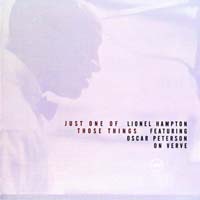 1999Just One of Those Things