ALBUM NOTESReview of Lionel Hampton – His Best Recordings 1929-1949
His Best Recordings 1929-1949- Album Overview
Lionel Hampton's "His Best Recordings 1929-1949," released in 1975 by the Verve label, serves as a comprehensive anthology of one of jazz's most influential figures. This collection spans two decades of Hampton's career, showcasing his virtuosity on the vibraphone and his significant contributions to the jazz genre. The album includes a selection of tracks that highlight his collaborations with prominent artists, such as Benny Goodman and Charlie Parker, as well as his own ensembles.
Hampton's recordings from this period are characterized by a vibrant blend of swing, bebop, and blues influences, making them culturally significant during a time when jazz was evolving rapidly. The collection features iconic tracks like "Flying Home," "Hamp's Boogie Woogie," and "Dinah," which not only showcase his technical prowess but also his ability to engage and uplift audiences. The production of these recordings involved various esteemed musicians, adding layers of complexity and richness to the sound.
Hampton's role in pioneering the vibraphone as a lead instrument in jazz cannot be overstated, and this compilation serves as a testament to his legacy. The album not only captures the essence of his music but also reflects the broader cultural shifts occurring in America during the Jazz Age and beyond. By preserving these recordings, "His Best Recordings 1929-1949" allows new generations to appreciate the genius of Lionel Hampton and his impact on the jazz world.
Review
"His Best Recordings 1929-1949" is a vibrant representation of Lionel Hampton's artistic vision, showcasing his innovative approach to jazz that transcended traditional boundaries. The sound is characterized by a lively interplay between the rhythm section and Hampton's dynamic vibraphone melodies, creating an infectious energy that draws listeners in. The arrangements are often bright and upbeat, reflecting the optimistic spirit of the era while also hinting at the complexities and nuances of the evolving jazz scene.
Hampton's ability to infuse his performances with emotional depth is evident throughout the album. His improvisational skills shine, particularly in tracks like "Flying Home," where the energy builds to a thrilling crescendo. While the album primarily focuses on instrumental prowess, it captures a sense of joy and celebration that resonates with listeners, making it a timeless classic.
However, the collection does not delve deeply into lyrical content, as much of Hampton's work was instrumental. This absence can leave some listeners yearning for more narrative depth. Nonetheless, the improvisational brilliance and rhythmic vitality of Hampton's music more than compensate for this, making the album a landmark in jazz history.
Highlights
- Exceptional vibraphone performances that showcase Hampton's technical skill.
- A diverse selection of tracks that highlight collaborations with jazz legends.
- Timeless energy and joyful spirit that encapsulate the essence of swing and bebop.
Weak points
- Lack of lyrical content may not appeal to all listeners.
- Some tracks may feel dated to contemporary audiences.
- Limited exploration of Hampton's later works and evolution as an artist.
Overall evaluation
"His Best Recordings 1929-1949" is an essential collection for any jazz enthusiast, encapsulating the vibrancy and innovation of Lionel Hampton's early career. It stands as a testament to his influence on the genre and remains a crucial piece of jazz history.
Personal rating: 9/10


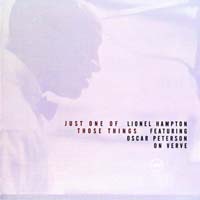 1999Just One of Those Things