
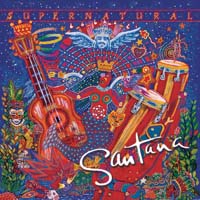
Santana III: the story Santana & Clapton wants to tell
Santana III- Album Overview
Santana III, released in 1971, is the third studio album by the iconic rock band Santana, and it holds a significant place in music history as a landmark in the Latin rock genre. The album was produced by the band itself and released under the Columbia Records label. It features a lineup of talented musicians, including Carlos Santana on guitar and vocals, Gregg Rolie on keyboards and vocals, David Brown on bass, Michael Carabello on percussion, and José "Chepito" Areas on timbales and percussion. Notably, the album also features guest appearances, including the celebrated guitarist Eric Clapton, who contributed to the rich soundscape of the record. The recording sessions took place in the late summer of 1971, capturing the band's signature blend of rock, jazz, blues, and Afro-Latin rhythms. The album features several standout tracks, including "No One to Depend On," "Everything's Coming Our Way," and the instrumental "Samba Pa Ti," which showcases Santana's virtuosic guitar work. Released at a time when the music scene was evolving, Santana III reflects the cultural and musical experimentation of the early '70s. It reached commercial success, peaking at No. 1 on the Billboard 200 chart and earning a gold certification from the RIAA. Culturally, Santana III represents a fusion of diverse musical influences, bridging gaps between various genres and establishing a unique sound that resonated with audiences. The album has since been recognized as a classic, continuing to influence musicians and inspire new generations of artists.
Review
Santana III exemplifies the band’s ability to create a sound that is both innovative and deeply rooted in tradition. The album opens with the infectious groove of "Batuka," immediately drawing listeners into its vibrant atmosphere. Each track is a testament to Santana's guitar prowess, complemented by tight rhythm sections and harmonious vocals. The album’s sound is characterized by its intricate melodies and improvisational flair, hallmarks of Santana's artistic vision. The lyrics explore themes of love, struggle, and the quest for identity, often set against the backdrop of the tumultuous social climate of the time. Songs like "No One to Depend On" resonate with a sense of yearning and emotional depth, while the instrumental "Samba Pa Ti" serves as a captivating showcase of Santana's guitar mastery, evoking a range of emotions without the need for words. Overall, Santana III is not just an album; it’s an experience that captures the spirit of a generation. The collaboration with Clapton serves to elevate the sound, blending his blues-infused guitar style with Santana's Latin rock roots, resulting in a rich tapestry of music that feels both timeless and fresh.
Highlights
- Exceptional guitar work from Carlos Santana, showcasing his signature style.
- Strong ensemble playing, with seamless integration of various musical influences.
- Memorable melodies and engaging lyrical themes that resonate with listeners.
Weak points
- Some tracks may feel repetitive in structure to casual listeners.
- Limited commercial singles may overshadow deeper album cuts.
- The production quality, while authentic, may not meet modern standards for some audiophiles.
Overall evaluation
Santana III remains a seminal work in the band's discography, blending rock, jazz, and Latin rhythms into a cohesive and captivating album. Its cultural significance and musical innovation continue to inspire artists today. Personal rating: 8.5/10