
Inside Abraxas by Santana & Clapton
Abraxas- Album Overview
"Abraxas," released on September 23, 1970, is the second studio album by the Latin rock band Santana, known for their fusion of rock, blues, and Latin music. The album was produced by Felipe "Flea" Ortiz and features the iconic guitarist Carlos Santana, whose distinctive sound helped define the band's style. "Abraxas" was released through Columbia Records and became a critical and commercial success, peaking at number one on the Billboard 200 chart.
The album features a rich array of collaborations, including contributions from musicians like Gregg Rolie (keyboards and vocals), Michael Carabello (percussion), and David Brown (bass). Notably, the album includes standout tracks such as "Black Magic Woman" and "Oye Como Va," both of which have since become classic staples of Santana's repertoire. The former, originally written by Fleetwood Mac's Peter Green, showcases Santana's signature guitar work, while the latter, a cover of Tito Puente's song, emphasizes the band's ability to blend Latin rhythms with rock elements.
Musically, "Abraxas" is significant for its innovative integration of jazz, blues, and Afro-Cuban influences, setting the stage for future explorations in the genre. The album not only solidified Santana's place in rock history but also contributed to the larger cultural movement of the early '70s, where the blending of diverse musical styles became increasingly popular.
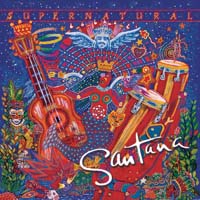
Upon its release, "Abraxas" spawned several successful singles, with "Black Magic Woman" reaching the top of the charts and further establishing Santana's name. The album's artwork, painted by Mati Klarwein, is equally iconic, reflecting the psychedelic imagery and spiritual themes that permeate the music.
Review
"Abraxas" is a masterful album that encapsulates the essence of Santana's artistic vision. The seamless blend of guitar-driven rock and Latin grooves is both infectious and introspective. Carlos Santana's guitar work is the standout feature, possessing a voice that speaks through the strings—soulful and emotive, yet technically proficient. The lyrics, while often secondary to the instrumental brilliance, convey themes of love and spirituality, enhancing the emotional depth of the music.
The album flows effortlessly from one track to another, creating a cohesive listening experience that invites repeated plays. The production is crisp, allowing each instrument to shine without overshadowing the others. The percussion, led by Michael Carabello, adds a vibrant layer to the sound, making tracks like "Oye Como Va" irresistible for dancing and celebration. Santana's ability to merge different cultural elements into a singular sound not only creates a unique listening experience but also speaks to a broader narrative about unity and diversity in music.
Highlights
- Innovative fusion of rock and Latin music, showcasing Santana's unique sound.
- Iconic tracks like "Black Magic Woman" and "Oye Como Va" that remain timeless classics.
- Strong musicianship from a talented ensemble, creating an engaging and cohesive album.
Weak points
- Some tracks may feel repetitive to listeners unfamiliar with the genre.
- The lyrics, while meaningful, can sometimes be overshadowed by the instrumental focus.
- Not all listeners may appreciate the fusion of diverse musical styles.
Overall evaluation
"Abraxas" stands as a landmark album in rock history, demonstrating the power of musical fusion and the artistry of Carlos Santana. It remains a vital piece of the puzzle in understanding the evolution of Latin rock and its impact on popular music.
Personal rating: 9/10