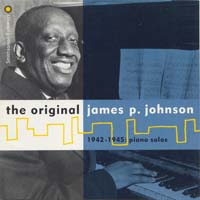
ALBUM NOTESInside the atmosphere of James P. Johnson's Ragtime
Ragtime- Album Overview
James P. Johnson's "Ragtime," released in 1928, is a seminal work that captures the essence of the early 20th-century American music scene. Known as one of the pioneers of the ragtime genre, Johnson's innovative style laid the groundwork for future jazz and popular music. The album was released under the label of Vocalion Records and is a significant entry in the evolution of American music.
Although specific recording details of the album are sparse, James P. Johnson was known for his unique blend of classical music techniques with African American musical traditions, which is evident throughout the tracks. "Ragtime" features a collection of compositions that highlight his virtuosic piano skills and deep understanding of rhythm and melody. Collaborators on this album included prominent figures of the jazz and ragtime scenes, showcasing the interconnectedness of musicians during this era.
The album is notable for its lack of mainstream singles, as the ragtime genre was primarily popular in live performance settings rather than through recorded music. However, tracks such as "Carolina Shout" and "The Charleston" remain iconic representations of Johnson's style and have influenced countless artists in the jazz world. The cultural significance of "Ragtime" cannot be overstated; it reflects the vibrant social dynamics of its time and serves as a testament to the African American experience, paving the way for future genres.
As a definitive piece of American music history, Johnson's "Ragtime" illustrates the blend of cultural influences that characterize the genre, making it an essential listen for anyone interested in the roots of modern music.
Review
James P. Johnson's "Ragtime" is a captivating exploration of the ragtime genre, showcasing a masterful blend of syncopated rhythms and intricate melodies. The album's sound is characterized by its lively piano arrangements, filled with playful interactions between different musical motifs. Johnson's ability to weave together complex harmonies reflects not only his technical prowess but also his deep emotional connection to the music.
The artistic vision behind "Ragtime" is rooted in the cultural tapestry of African American life in the early 20th century. Each track tells a story, whether it be through the jubilant strides of "The Charleston" or the reflective tones of "Carolina Shout." Unlike many contemporary albums, "Ragtime" doesn't rely on lyrics to convey its message—its power lies in the expressive nature of the piano, which transcends the need for words.
Johnson's compositions are a testament to the innovative spirit of the Jazz Age, capturing the exuberance and struggles of the time. The album's arrangements often feature call-and-response patterns, a hallmark of African American musical traditions, which add depth and complexity to the listening experience. Overall, "Ragtime" stands as a timeless piece that not only entertains but also educates its listeners about the rich history of American music.
Highlights
- Virtuosic piano playing that showcases Johnson's technical skills.
- A rich tapestry of rhythms that reflect the cultural influences of the time.
- Timeless compositions that have inspired countless musicians across genres.
Weak points
- Lack of lyrical content may not appeal to all modern listeners.
- Limited availability of recordings from the original era can hinder accessibility.
- Some tracks may feel repetitive due to the nature of ragtime compositions.
Overall evaluation
James P. Johnson's "Ragtime" is a landmark album that encapsulates the spirit of an era and showcases the evolution of American music through its innovative use of piano and rhythm. Its cultural significance and artistic depth make it a must-listen for anyone interested in the roots of jazz and popular music.
Personal rating: 9/10