
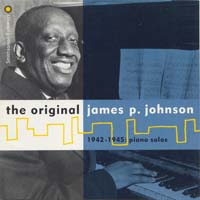
James P. Johnson – Charleston: track-by-track perspective
Charleston- Album Overview
Released in 1923, "Charleston" is a seminal jazz album by the pioneering American pianist and composer James P. Johnson. Widely regarded as a key figure in the evolution of jazz music, Johnson's work is credited with helping to shape the Harlem stride piano style, which would influence generations of musicians. The album features a collection of tracks that showcases Johnson's virtuosic piano skills, as well as his ability to blend ragtime influences with new jazz idioms. This innovative approach was particularly significant during the 1920s, a vibrant era for jazz that coincided with the cultural phenomenon of the Harlem Renaissance.
Produced by the New York-based label, Black Swan Records, "Charleston" features compositions that became instant classics, such as the title track "Charleston," which would go on to inspire the famous dance of the same name. Johnson collaborated with various musicians throughout his career, but this album primarily highlights his solo piano work, encapsulating the essence of a dynamic musical landscape. At the time of its release, the album received widespread acclaim, solidifying Johnson's status as a vital contributor to American music. Beyond its musical prowess, "Charleston" reflects a cultural moment in history, as the city of Charleston became emblematic of the exuberance and spirit of the Roaring Twenties, making this album not only a collection of songs but also a celebration of a cultural shift in America.
Review
Johnson's "Charleston" is a remarkable showcase of his technical prowess and deep understanding of jazz's rhythmic complexities. The album opens with a lively interpretation of the titular track, which captures the energy and excitement of the Charleston dance craze that swept through the nation. Throughout the album, Johnson's deft fingerwork and inventive improvisation create a soundscape that is both engaging and sophisticated. His ability to weave together intricate melodies with syncopated rhythms reflects the essence of stride piano, where the left hand provides a steady bass line while the right conjures playful, melodic flourishes.
However, the album is not just about technical skill; it also embodies a rich emotional depth. Johnson's compositions resonate with a sense of joy and celebration, inviting listeners to partake in the festive spirit of the 1920s. The album does not shy away from moments of introspection either, showcasing Johnson's ability to convey a range of emotions through his music. The juxtaposition of upbeat tracks and more contemplative pieces creates a compelling journey for the listener, highlighting Johnson's artistic vision and his role in shaping the jazz genre.
Highlights
- Innovative stride piano techniques that define the genre.
- Energetic and infectious rhythms that capture the spirit of the 1920s.
- Emotional depth that transcends mere technicality, connecting with listeners on multiple levels.
Weak points
- Some tracks may feel repetitive due to the improvisational style.
- Limited production quality reflective of the era may not appeal to modern listeners.
- Lack of vocal elements may deter those who prefer lyrical content in jazz.
Overall evaluation
"Charleston" by James P. Johnson is not just an album; it is a landmark in the history of jazz music that encapsulates the vibrant culture of the 1920s. Through its innovative piano work and infectious rhythms, it remains a crucial listening experience for both jazz aficionados and newcomers alike.
Personal rating: 8/10